Spinal Decompression for Disc-Related Symptoms: Questions to Consider
Spinal decompression may help some people with herniated disc symptoms or sciatica linked to spinal nerve irritation, but suitability depends on the cause, symptoms, and clinical findings. At Arrowhead Clinic Chiropractor Decatur, we review those factors before discussing whether decompression fits your care plan.
Request an Estimate
Options at a Glance
Spinal decompression approaches differ in how force, positioning, and movement are applied. We match the approach to the suspected pain source and your treatment goals.
How Spinal Decompression Relates to Herniated Discs and Sciatica
Spinal decompression therapy is a non-surgical treatment approach that aims to reduce mechanical stress around an irritated spinal disc and nerve.
A herniated disc can irritate a spinal nerve and cause disc-related symptoms. Those symptoms may include low back pain, neck pain, leg pain, numbness, or tingling.
Sciatica describes symptoms that follow the path of the sciatic nerve. We first consider whether nerve irritation matches the symptom pattern before discussing decompression.
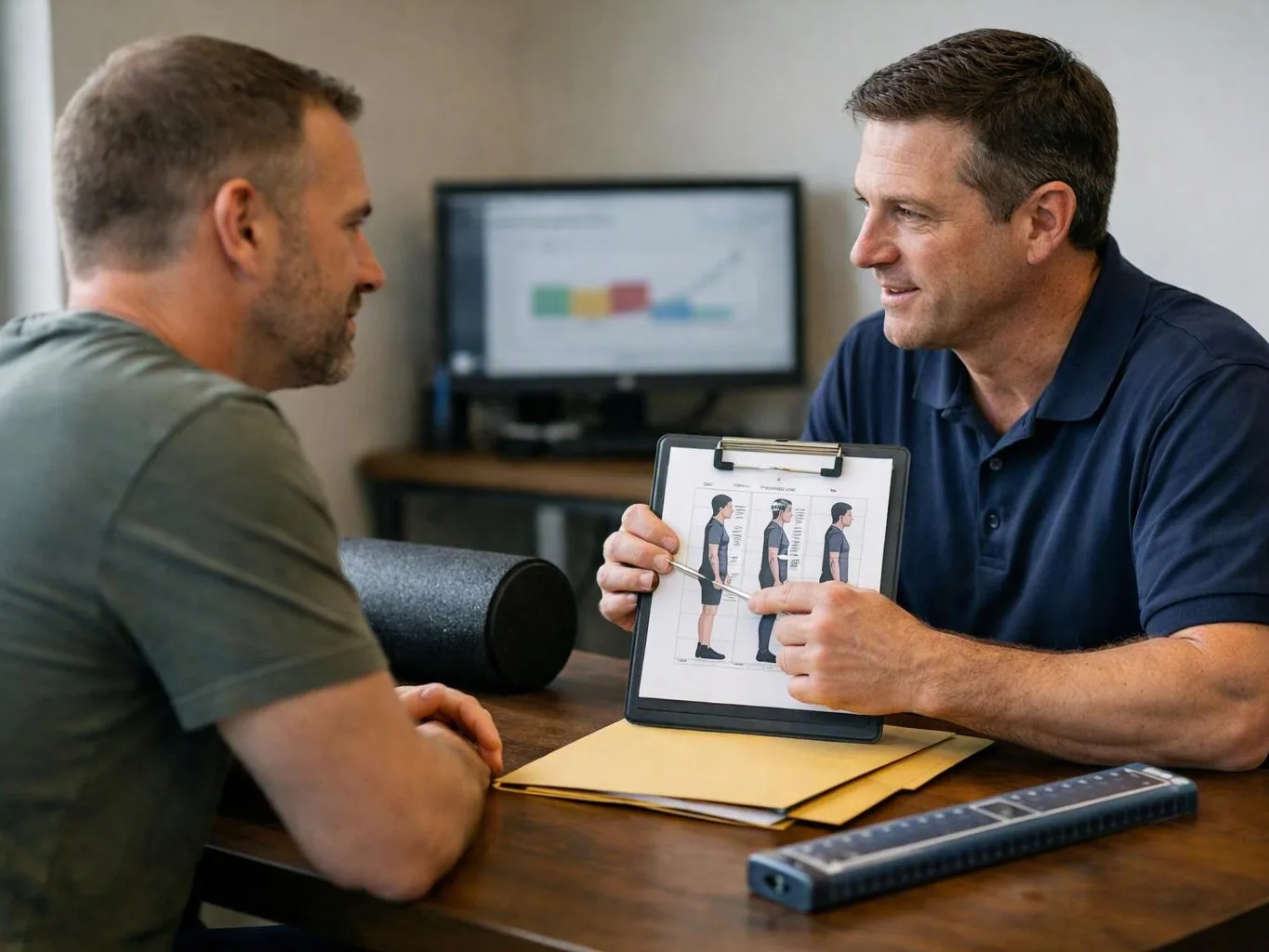
Our Spinal Decompression Therapy approach starts with a clinical evaluation. The findings help us decide whether conservative spine care fits your situation.
Which Types of Spinal Decompression May Be Considered?
The suitable type depends on the suspected pain source, spinal region, symptoms, and findings from the clinical review. Each method uses a different way to influence spinal loading or movement.
Cost varies with the approach, clinical needs, and care plan. We explain what the consultation and recommended plan include before care begins.
| Type | Key Features | Cost | Best For |
|---|---|---|---|
| Manual decompression | Hands-on movement and response-based adjustments | Varies | Selected mobility and disc-related symptoms |
| Mechanical traction | Controlled traction force applied to the spine | Varies | Selected lumbar or cervical symptoms |
| Computer-controlled decompression | Programmed positioning and adjustable loading | Varies | People needing close symptom monitoring |
| Intermittent spinal traction | Changing force during the session | Varies | People who need gradual loading changes |
| Inversion-based decompression | Gravity-assisted traction through altered positioning | Varies | Only people found medically suitable |
Manual Spinal Decompression
Manual decompression is hands-on care that uses guided movement to assess spinal mobility and symptom response.
We may consider it when disc-related back pain appears linked to restricted movement or local irritation. Our team watches how symptoms respond during the examination and care process.
Mechanical Spinal Traction
Mechanical traction uses controlled traction force to place a selected load through the spine.
We may consider traction for selected symptoms involving the lumbar spine or cervical spine. The goal is to assess whether changing spinal loading affects nerve irritation.
Computer-Controlled Spinal Decompression
Computer-controlled decompression is a form of spinal traction that uses programmed treatment positioning and adjustable force.
We may consider this approach for selected lumbar disc or cervical disc symptoms. Our team monitors symptom changes and adjusts the plan when the response calls for it.
Intermittent Spinal Traction
Intermittent traction is spinal traction that changes loading during care rather than holding one steady force.
We may consider it when disc-related symptoms require gradual changes in spinal loading. Treatment tolerance and symptom response guide how we approach the plan.
Inversion-Based Decompression
Inversion therapy is a form of gravity-assisted traction that changes the body's position to affect spinal pressure.
We review medical suitability before discussing inversion-based decompression. Certain health conditions can make altered positioning inappropriate.
Can Decompression Help Compressed Nerves or Sciatica?
Yes, decompression may help when sciatica comes from disc-related nerve irritation, but it isn't appropriate for every cause of leg pain.
A compressed nerve may cause radicular pain that travels into the leg. Numbness, tingling, or nerve weakness can also occur when nerve function is affected.
The sciatic nerve is one pathway that may carry these symptoms. We compare the location, pattern, and behavior of symptoms with our clinical findings.
Decompression doesn't address every source of sciatica. We use the evaluation to identify when another form of care or urgent evaluation is more appropriate.
What Evidence Should You Consider Before Starting?
Evidence for non-surgical spinal decompression should be weighed with the diagnosis, symptom pattern, clinical findings, and realistic treatment goals.
Research and clinical experience may not apply equally to every herniated disc or sciatica case. Individual response can differ, so symptom improvement and functional improvement should be monitored.
We discuss treatment limitations before adding decompression to a care plan. Our team also considers whether other non-surgical treatment options better match the suspected cause.
What Should You Ask Before Starting Decompression Therapy?
Before starting, ask which condition is being treated, why decompression fits, how progress will be checked, and what the consultation and care plan include.
When Is Another Evaluation More Urgent?
Progressive weakness, new bowel or bladder changes, saddle numbness, or severe trauma require urgent medical evaluation instead of routine decompression planning.
Progressive weakness can signal worsening nerve involvement. Loss of bowel control, loss of bladder control, or numbness around the inner thighs and groin are warning signs.
Severe trauma also changes the care decision. We don't use routine decompression planning when urgent evaluation is needed.
How We Review Whether Decompression Fits Your Symptoms
We review your history, symptoms, examination findings, and goals before recommending whether spinal decompression therapy fits your situation.
Our team looks at the symptom pattern and possible nerve involvement. We also consider how symptoms affect movement and daily function.
Arrowhead Clinic Chiropractor Decatur uses that clinical evaluation to discuss treatment suitability. We then explain the options that may fit your care plan and the factors that may change the cost.
Questions About Decompression for Disc Symptoms
Can spinal decompression make a herniated disc worse?
Spinal decompression may worsen symptoms when the approach doesn't match the condition or treatment tolerance. Arrowhead Clinic Chiropractor Decatur reviews your history and clinical findings before discussing suitability.
Is spinal decompression safe for everyone with sciatica?
No, spinal decompression isn't suitable for everyone with sciatica. The cause of leg pain, nerve findings, medical history, and warning signs all affect the decision.
What symptoms suggest that sciatica may involve a compressed nerve?
Sciatica may involve a compressed nerve when leg pain follows a nerve path and occurs with numbness, tingling, or weakness. A clinical evaluation helps connect the symptom pattern with possible nerve involvement.
Can spinal decompression replace surgery for a herniated disc?
No, spinal decompression cannot replace surgery in every herniated disc case. The need for surgery depends on the diagnosis, nerve function, symptom severity, and response to care.
What happens during an evaluation for spinal decompression?
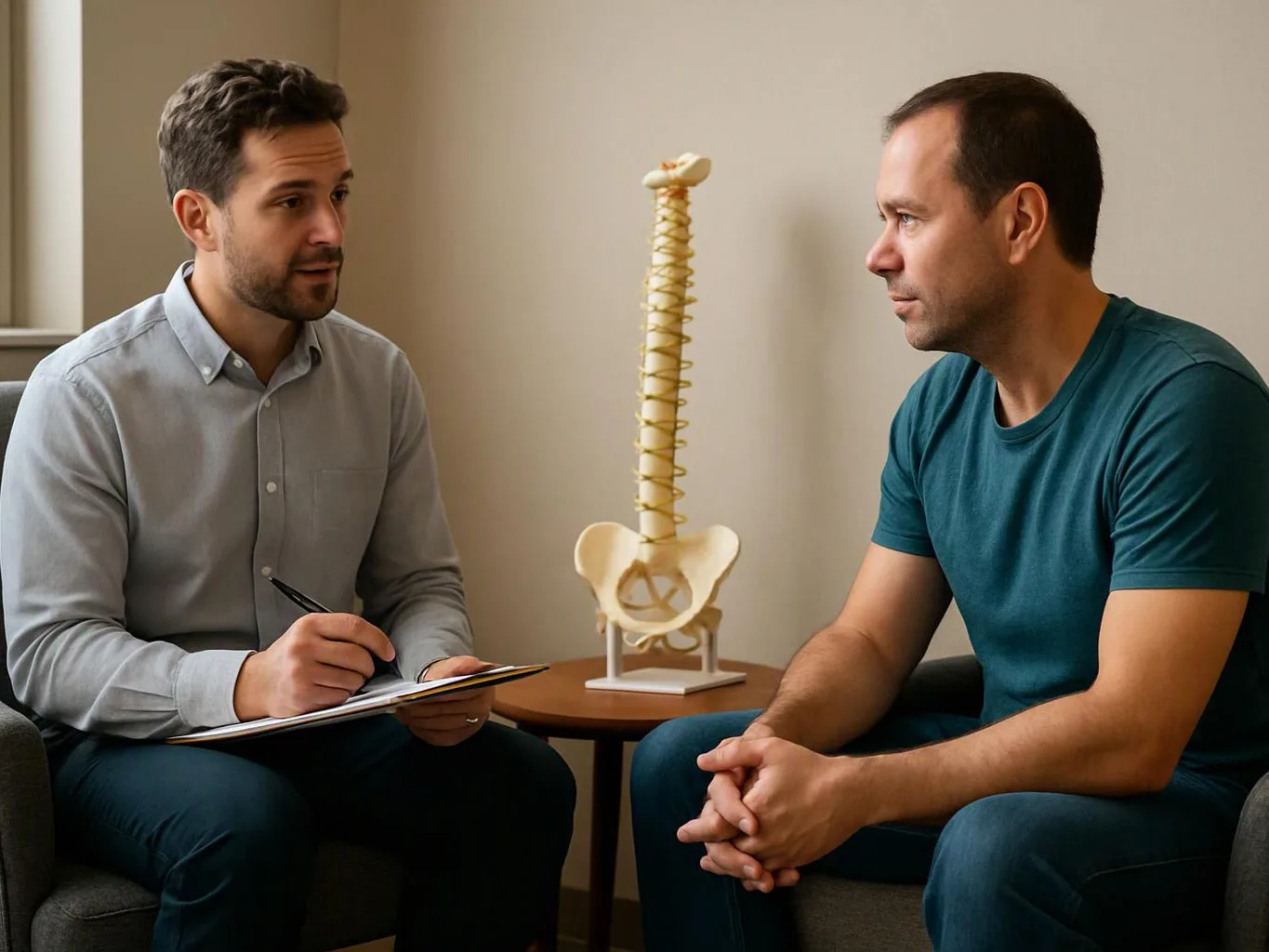
A spinal decompression evaluation includes a health history, symptom review, physical examination, and discussion of treatment goals. We use those findings to explain whether decompression fits your care plan.
If you have disc-related symptoms or sciatica, Arrowhead Clinic Chiropractor Decatur can review your concerns and discuss whether spinal decompression therapy fits your situation.
Contact us about your symptoms