Share your symptoms and goals
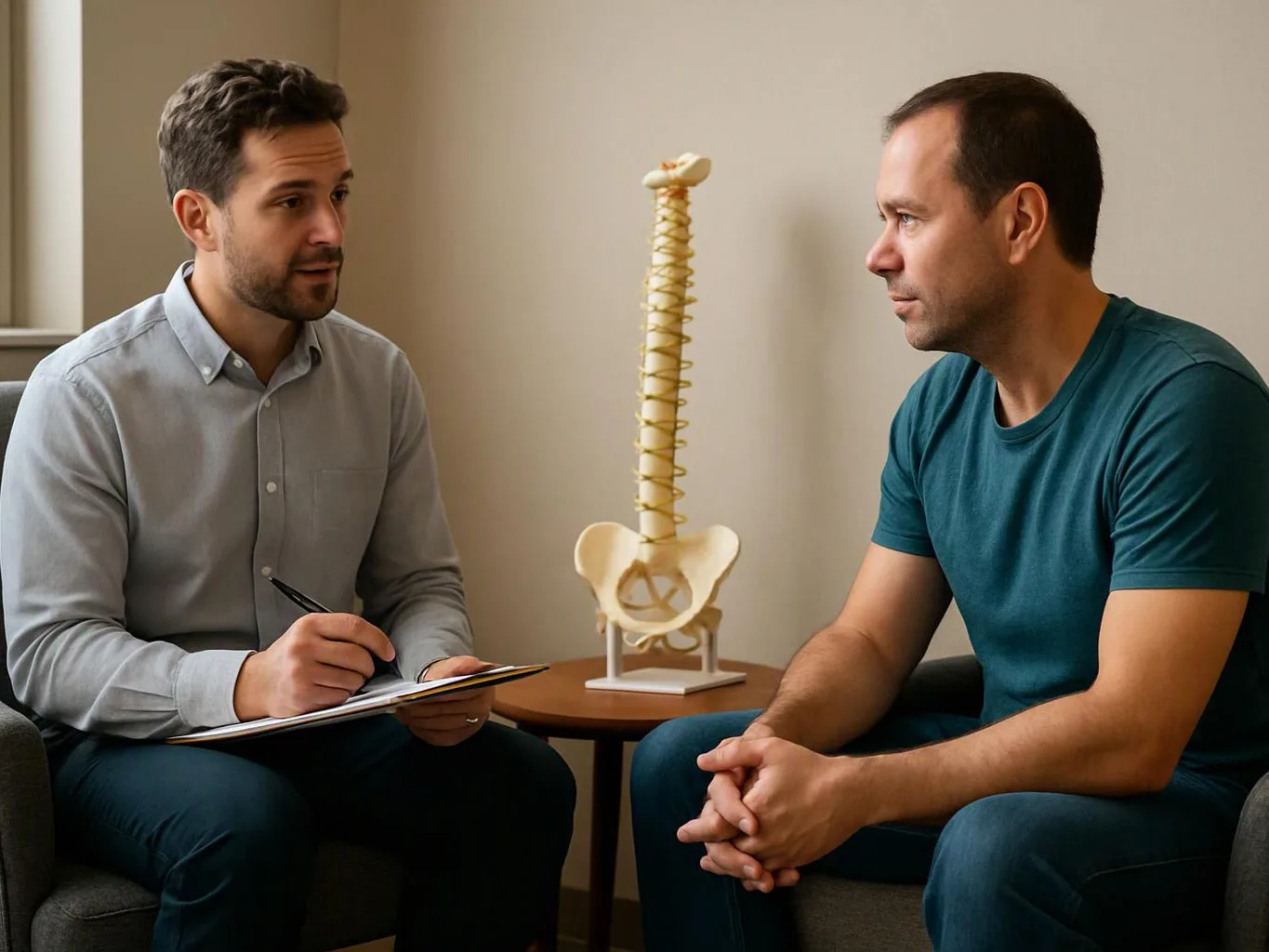
During the consultation, we discuss pain patterns, movement limits, past injuries, and what you want to improve.
We provide noninvasive spinal decompression therapy for back and neck concerns. Free consultations help you discuss your goals before treatment.
It may support better movement when back or neck symptoms limit daily activity.
It gives selected patients a noninvasive option for disc-related concerns.
A care plan connects treatment choices with your symptoms and self-care goals.
Spinal decompression therapy is a noninvasive treatment that uses controlled traction to address certain back and neck concerns.
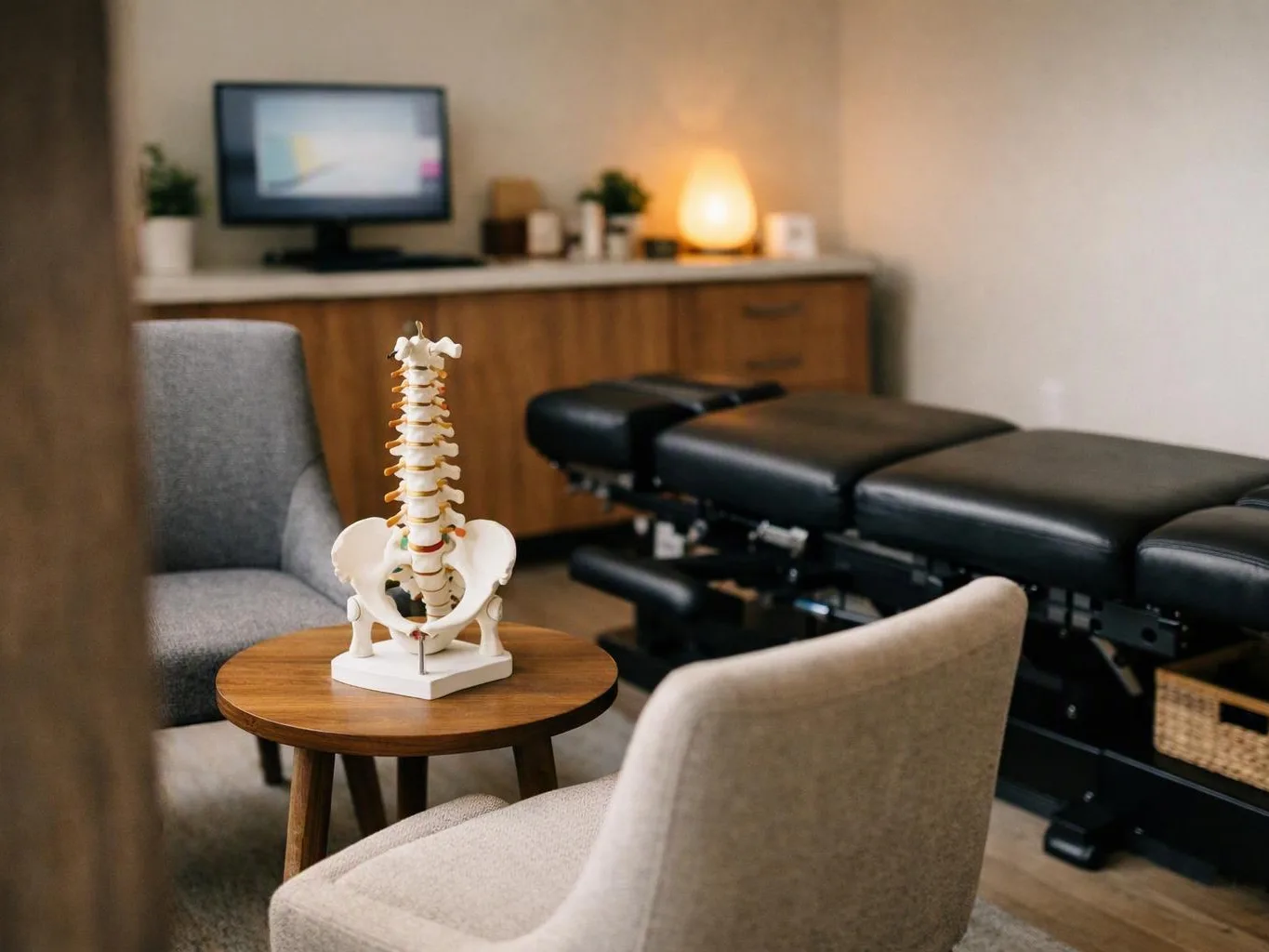
Spinal decompression therapy uses controlled traction to place a gentle pull through the spine. The goal is to address selected disc and nerve-related concerns while supporting movement. This treatment isn't suitable for every patient or every cause of pain. Our team considers your symptoms, health history, goals, and lifestyle before discussing fit. A treatment plan may include spinal decompression alongside chiropractic adjustments, rehabilitation, or supportive therapies. Individual response differs, so we explain what the plan includes and review progress as care continues.
During the consultation, we discuss pain patterns, movement limits, past injuries, and what you want to improve.
We review your health history and perform an exam to assess the concern and decide whether this approach fits.
We explain the findings, treatment options, and expected care steps in plain language before treatment begins.
When appropriate, we use spinal decompression therapy with controlled traction and monitor how your body responds.
We review progress and may discuss adjustments, rehabilitation, supportive therapies, or wellness guidance as your needs change.
Bring information that helps us understand your symptoms and treatment goals.
We match traction-based care with each patient’s condition, goals, lifestyle, and response during follow-up.
We use spinal decompression therapy for appropriate back and neck concerns after reviewing symptoms and treatment fit.
We coordinate spinal decompression with adjustments, rehabilitation, and supportive therapies when those options suit the care plan.

My experience with arrowhead clinic was extremely and pleasantly surprising. I’d heard the commercials, but I have never experienced it myself. I absolutely feel like I’m in good hands with them immediately my sinuses, my back and shoulder felt relief from not only the accident, but an adjustment that I need it all in my life. I’m still in therapy, but I know that I will be back on track in no time the staff is caring, compassionate and understanding by 100% recommend this facility. Dr.Louis is especially gifted and receptionist Tamika is always pleasant t!!!t

Friendly staff. It’s never a long wait. You can always expect great therapy and great chiropractors. I would highly recommend.

Very polite, professional, and attentive staff. The doctor is also just as pleasant. They are Knowledgeable and have updated equipment. The facility is clean and welcoming.
Get a clear treatment option for your back or neck concern. Arrowhead Clinic Chiropractor Decatur offers free consultations for patients in Decatur and nearby communities.
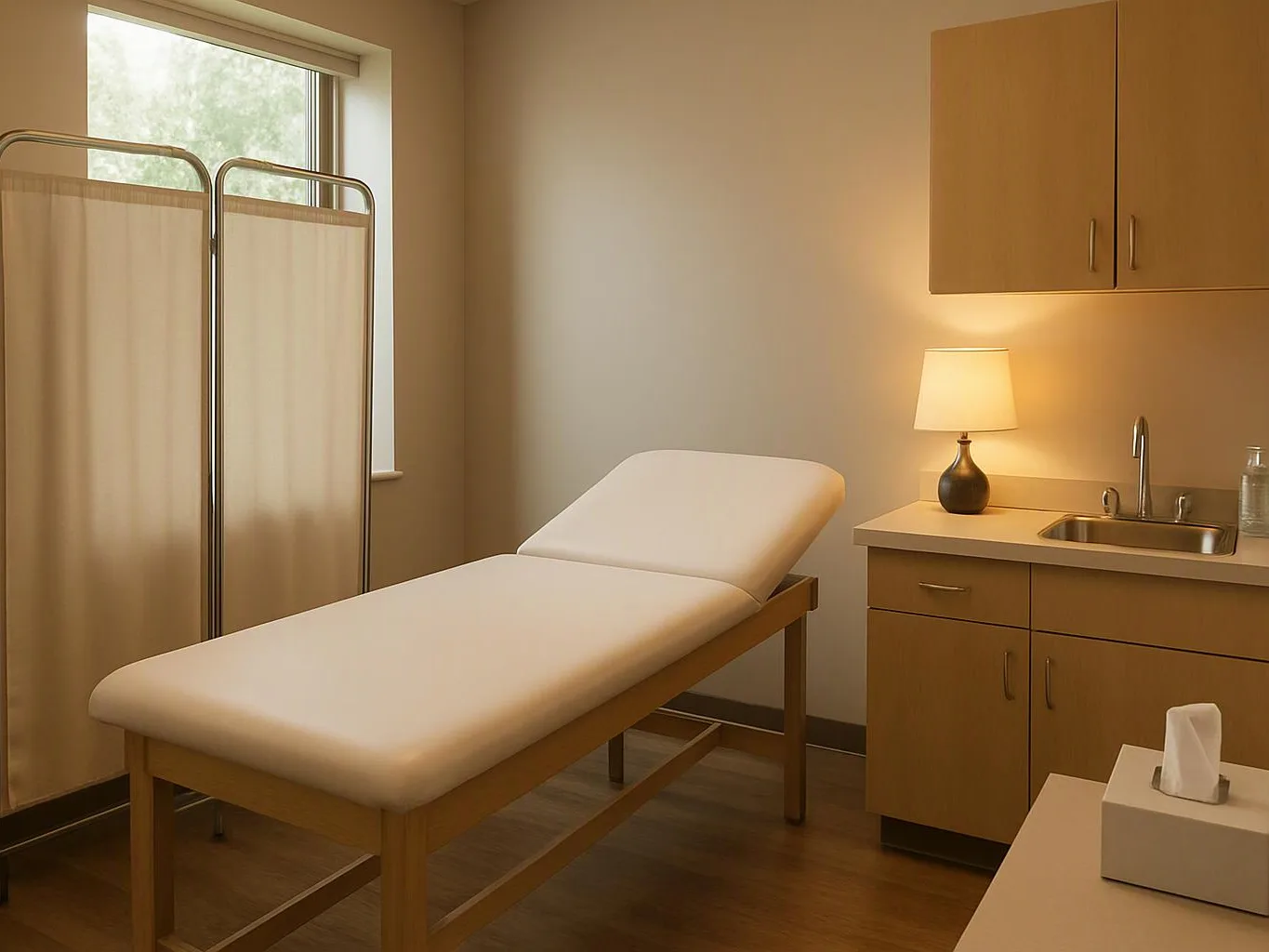
Back pain that travels into the leg can affect walking, work, and sleep. The pattern, strength changes, and movement limits matter when we assess whether traction-based care fits. Bring a short symptom history to your consultation, and tell us what makes the pain better or worse. We’ll explain the findings and treatment choices before care begins.
Whiplash or other accident injuries can cause neck pain, stiffness, and arm symptoms. A careful health history helps us understand how the injury affects daily movement and whether spinal decompression therapy belongs in the plan. Patients seeking personal injury evaluations can discuss their concerns with our team and review treatment options after the assessment.
Pain that returns during lifting, sitting, or exercise can make routine tasks harder. The key question is whether the symptoms fit traction-based care or need another approach first. Write down the activity, location, and pattern of your symptoms before your visit. We’ll connect that information with your goals and explain practical next steps.