A Checklist for Assessing Symptoms After a Sports Injury
Sports injury evaluation starts with noting how the injury happened, where symptoms appear, and how movement affects them. Arrowhead Clinic Chiropractor Decatur uses these details to guide care and discuss safer return-to-activity steps.
Request an EstimateWhat Should You Note When Sports Injury Pain Begins?
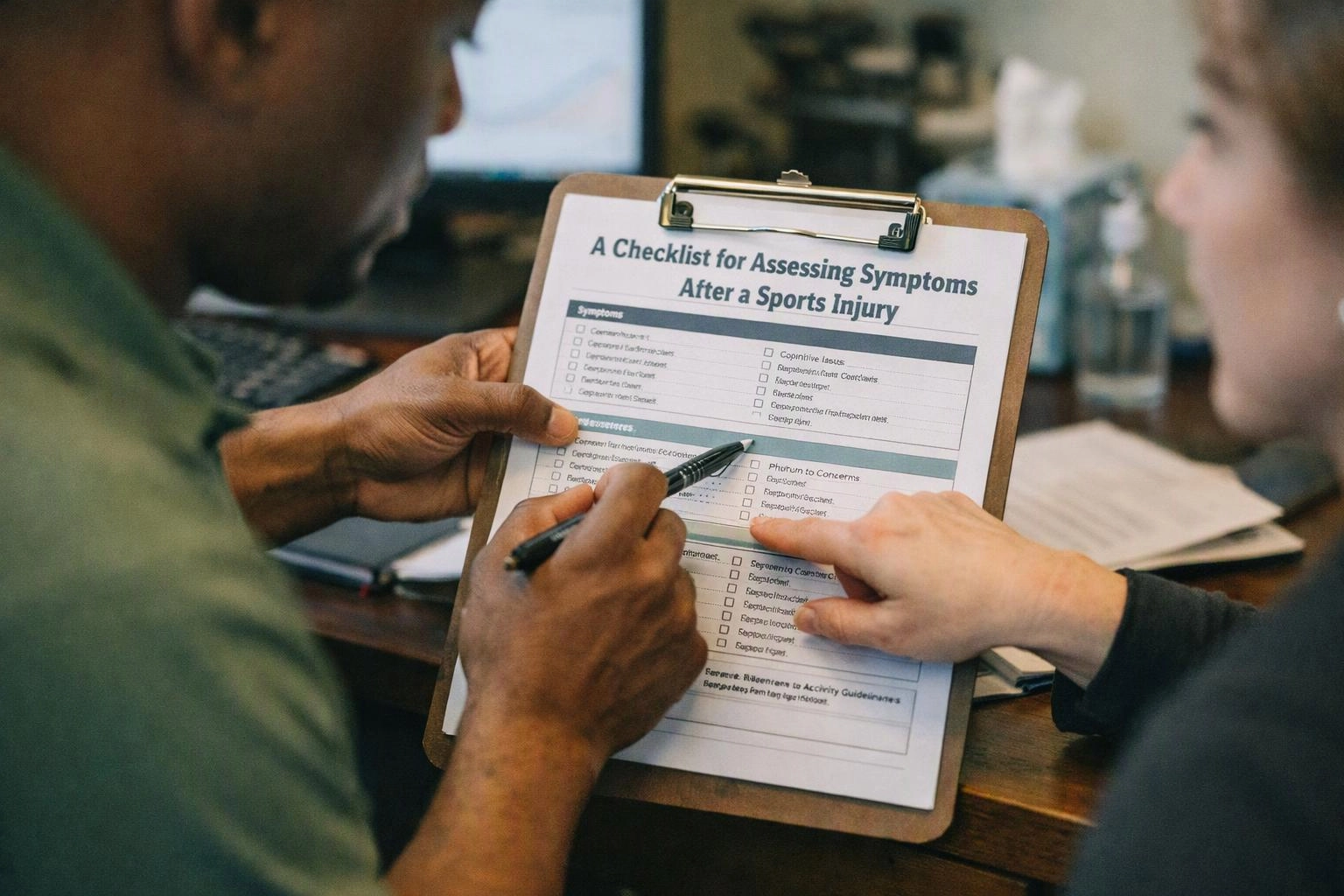
Sports injury evaluation begins by recording what happened, where symptoms started, and how symptoms changed after the event.
Note whether pain began during sports, after contact, or during a repeated movement. The injury mechanism can suggest a sprain, muscle strain, impact injury, or overuse problem.
Write down the body location and the symptom type. Include pain, swelling, bruising, stiffness, numbness, or weakness. Also note whether symptoms improve, stay the same, or worsen with rest and movement.
Before Activity: Record Your Baseline Symptoms
Baseline symptoms show how your body feels before testing movement or starting care. A clear record helps our team compare changes during follow-up care.
Use the checklist below before practice, training, or other demanding activity.
Which Sports Injury Warning Signs Need Prompt Medical Attention?
Prompt medical attention is needed for severe or worsening symptoms, visible deformity, loss of function, or new neurological symptoms.
These red flags can signal an injury that needs urgent medical assessment. Stop activity and seek appropriate medical care when they appear.
During Evaluation: Explain What Changes With Movement
A movement assessment shows which actions reproduce symptoms and which actions remain comfortable. We use your answers to guide a careful musculoskeletal assessment.
Describe each change clearly during the evaluation. Don't push through sharp pain to complete a test.
How We Use Your Symptoms to Plan Sports Injury Care
We use your injury history, symptoms, and movement limits to decide which sports injury treatment approach fits your needs.
Our physical examination considers posture, joint motion, muscle control, tenderness, and function. We also review how the injury affects work, training, sleep, and daily tasks.
Our plan may include chiropractic care, movement guidance, or Sports Massage when those options fit your findings. You can learn more about our Sports Injury Treatment approach and discuss what your symptoms require.
After Evaluation: Track Your Response to Care
Symptom tracking shows how your body responds after care and activity changes. Bring these notes to follow-up care so we can assess progress with more detail.
Record changes without judging recovery by pain alone. Function, mobility, swelling, and activity tolerance also matter.
What Should You Clarify Before Returning to Activity?
Before returning to activity, clarify which movements are safe, what symptoms should stop participation, and how to progress activity.
Pain-free movement is only one check. Ask about range of motion, strength, balance, and sport-specific readiness. Your plan should explain how to increase activity without ignoring symptom changes.
Ask what to do if pain returns during training. Clear answers make gradual return easier to follow and help you recognize when follow-up care is needed.
Return-to-Activity Readiness: Compare the Main Checks
Return-to-activity readiness depends on several checks working together. The comparison below can help you organize questions before resuming sport.
We review the full pattern, not one symptom in isolation.
| Readiness check | What to consider | Question for care |
|---|---|---|
| Pain | Whether symptoms appear at rest, with movement, or after activity | Which symptoms mean I should stop? |
| Range of motion | Whether the injured area moves smoothly and comfortably | Which motions should I restore first? |
| Strength | Whether strength supports normal daily and sport demands | What level of effort is appropriate now? |
| Balance | Whether you can control the body part during simple tasks | Does balance affect my activity plan? |
| Sport-specific movement | Whether practice movements reproduce symptoms | Which drills should come first? |
| Symptom response | Whether symptoms settle after activity or continue afterward | When should I contact the care team? |
How We Support a Safer Return to Activity
Sports injury treatment supports a safer return to activity through movement guidance, symptom monitoring, and a clear activity plan.
We adjust care to your findings and your sport's demands. Sports Massage may help address muscle tension when it fits your evaluation and goals.
Our team explains which movements to practice, which symptoms require a pause, and how to discuss changes during follow-up care.
What Should You Bring to a Sports Injury Appointment?
A complete appointment record helps us connect the injury event with your current symptoms and movement limits. Gather the details that can answer follow-up questions clearly.
Bring these items when possible:
Arrowhead Clinic Chiropractor Decatur uses these details to make the evaluation focused and useful. Contact our team to arrange a consultation about your symptoms and return-to-activity concerns.
Free Consultations
Questions About Assessing Sports Injury Symptoms
What symptoms should I discuss when seeking care for a sports injury?
Arrowhead Clinic Chiropractor Decatur needs details about pain, swelling, bruising, movement limits, numbness, weakness, and symptom changes. Also explain the injury mechanism, previous injuries, and activities that make symptoms better or worse.
Can I return to sports if I still have mild pain?
No, mild pain doesn't automatically show that sports activity is safe. Return decisions should consider movement, strength, balance, sport-specific tasks, and how symptoms respond during and after activity.
How should I track symptoms after a sports injury?
Track the location and type of pain, swelling, mobility, activity tolerance, and changes after care. Note what you did before symptoms changed and bring those observations to follow-up care.
What questions should I ask before resuming training?
Ask which movements are safe, which symptoms should stop training, how to progress activity, and when follow-up care is needed. Also ask which sport-specific drills should come first.