Chiropractic Care for Athletes: Techniques, Goals, and Questions
Chiropractic care for athletes may support mobility, movement quality, and recovery by addressing joint motion and related soft-tissue tension. At Arrowhead Clinic Chiropractor Decatur, we assess the athlete’s goals and symptoms before recommending care.
Request an EstimateSports chiropractic care supports assessment and management of sports injuries, mobility goals, movement needs, and recovery planning. Our team connects the care plan to the athlete’s training demands and daily activities.
For broader Sports Injury Treatment, we review whether chiropractic care fits the concern or whether medical referral is more appropriate.
Can Chiropractic Care Help With Sports Injuries?
Yes, chiropractic care may help some athletes manage movement limits and musculoskeletal symptoms, but serious injuries need medical evaluation.
Chiropractic care may address joint stiffness, muscle tension, and movement limits linked to a sports injury. We begin with an injury assessment, symptom review, and injury history before discussing treatment.
Our team may recommend medical referral when symptoms suggest a fracture, major tissue damage, or another condition outside conservative injury care. We also consider how the injury affects training, work, sleep, and return to activity.
Which Chiropractic Techniques May Fit an Athlete’s Needs?
The right technique depends on the athlete’s symptoms, movement findings, injury history, training demands, and comfort. We choose the approach after reviewing the movement assessment and treatment goals.
These options may be used alone or together as part of a care plan. The goal is to support joint mobility, movement quality, and soft-tissue comfort.
| Type | Key Features | Cost | Best For |
|---|---|---|---|
| Manual chiropractic adjustment | Hands-on force directed at selected joints | Varies | Athletes comfortable with hands-on care |
| Instrument-assisted adjustment | Controlled force using an adjustment instrument | Varies | Athletes with a treatment preference |
| Joint mobilization | Gentle movement to address stiffness | Varies | Athletes with limited range of motion |
| Soft-tissue therapy | Work directed at muscles and connective tissue | Varies | Athletes with muscle tension |
| Sports massage | Focused soft-tissue work for activity needs | Varies | Athletes managing tightness and recovery |
Manual Chiropractic Adjustments
Manual adjustment is a hands-on technique that applies controlled movement to selected joints. We may consider it when joint motion appears limited and the athlete is comfortable with hands-on care.
Manual chiropractic adjustments may address spinal joints or other areas involved in movement. We monitor athlete comfort throughout the process and adjust the approach when needed.
Instrument-Assisted Adjustments
Instrument-assisted adjustment uses a handheld tool to deliver controlled force to a selected joint. We may discuss this option when an athlete prefers tool-assisted care.
The technique may support joint mobility while allowing us to adjust the force and location. Treatment preference, symptoms, and movement findings guide the choice.
Joint Mobilization
Joint mobilization is a guided movement technique that helps address stiffness and limited range of motion. We use movement assessment findings to select the joint and direction of care.
This approach may fit athletes who need support with flexibility or movement quality. We connect the work to the athlete’s training demands and comfort.
Soft-Tissue Therapy
Soft-tissue therapy is hands-on care directed at muscles, connective tissue, and related movement patterns. We may use it when muscle tension appears to limit comfortable motion.
Soft-tissue work can support mobility goals when tight areas affect joint movement. Our team checks how the tissue responds and updates the care plan as needed.
Sports Massage
Sports massage is focused soft-tissue work for athletes with muscle tightness or training recovery needs. We shape the session around activity demands and soft-tissue comfort.
Sports massage may support recovery support and movement quality, but it does not replace an injury assessment. We refer for medical evaluation when symptoms point to a serious injury.
How Do Athletes Set Goals for Chiropractic Care?
Athletes set useful care goals by connecting symptoms and movement limits with training, competition, and daily activity needs.
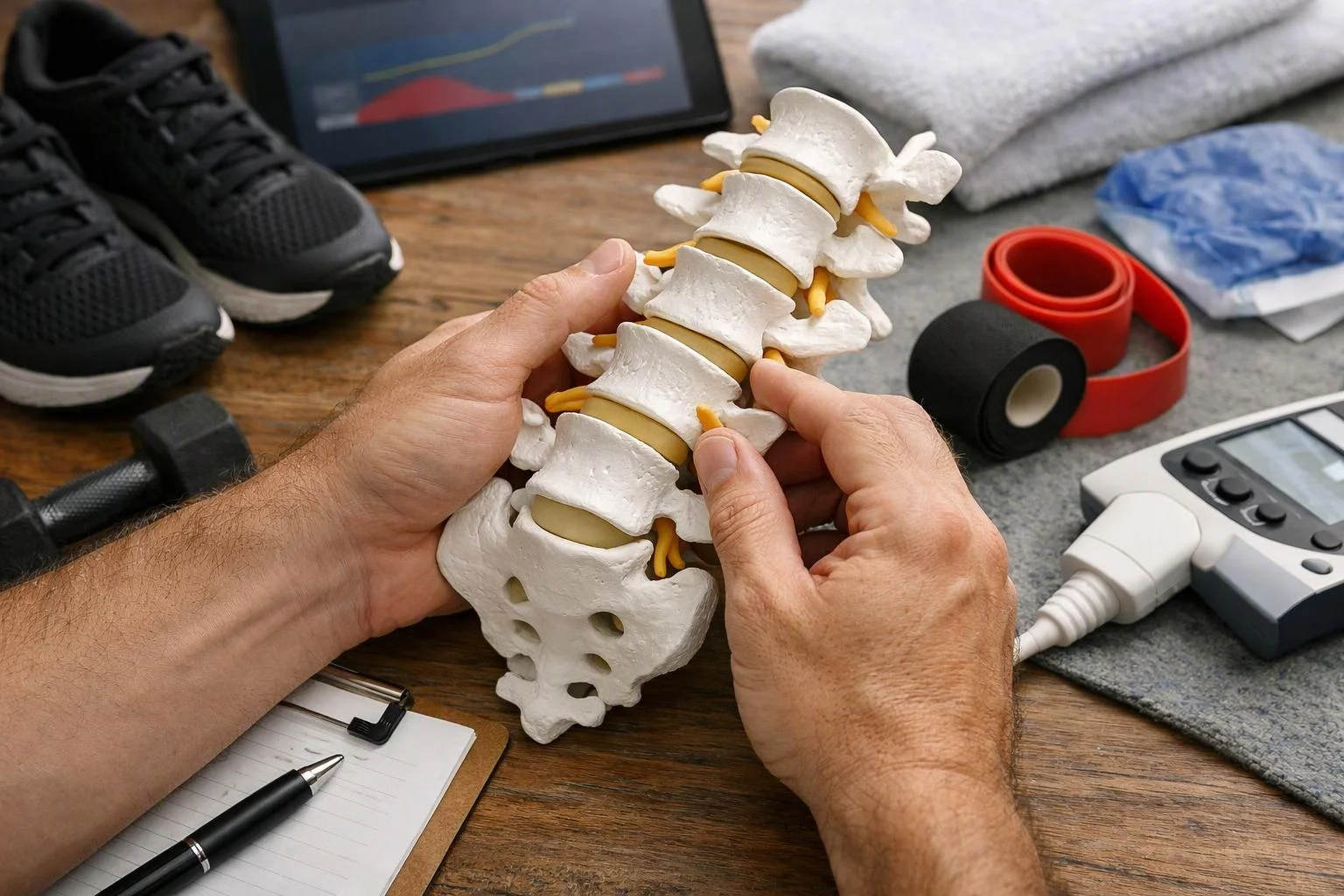
Goals may include improved mobility, better flexibility, easier movement, or support during training recovery. We help separate a short-term symptom goal from a broader return-to-activity goal.
Clear goals also help with symptom monitoring. Our team can review whether the care plan supports the athlete’s movement needs and whether another type of care is needed.
What Does a Sports Chiropractic Assessment Involve?
A sports chiropractic assessment reviews the athlete’s history, symptoms, movement, goals, and need for referral before care begins.
The assessment helps us match sports injury treatment to the athlete’s needs. It also helps identify concerns that require care beyond a chiropractic clinic.
What Should Athletes Ask Before an Adjustment?
Athletes should ask how the adjustment relates to their symptoms, what technique will be used, and when another evaluation is needed.
Good questions help the athlete understand the care plan. They also give our team useful information about comfort, training demands, and recovery.
When Should an Athlete Seek Care Beyond a Chiropractic Clinic?
Athletes should seek medical care beyond a chiropractic clinic when symptoms suggest a serious injury or urgent condition.
Fracture concerns, a head injury, severe swelling, loss of strength, or numbness need prompt medical evaluation. We may recommend medical referral when the injury assessment shows warning signs outside our scope.
Athletes should also report symptoms that worsen quickly or prevent normal use of a limb. We can help explain the next step, but urgent symptoms should not wait for routine chiropractic care.
How Can Athletes Plan the Next Step?
Athletes can plan the next step by sharing their goals and history, reviewing suitable options, and requesting an exact quote based on the planned care.
Our team can help you decide whether chiropractic treatment for athletes fits your needs. Use our contact page to request a consultation and discuss the next step.
Questions About Chiropractic Care for Athletes
Is chiropractic care safe for athletes?
Chiropractic care may be appropriate for some athletes after an assessment confirms that the symptoms fit conservative care. Arrowhead Clinic Chiropractor Decatur reviews health history, injury history, symptoms, movement, and referral needs before recommending an approach.
Can athletes receive an adjustment after a sports injury?
Athletes may receive a chiropractic adjustment after a sports injury when the assessment supports that option. We first check symptoms, movement limits, injury history, and warning signs that may require medical referral.
Should an athlete stop training during chiropractic care?
Athletes should adjust training based on symptoms, movement findings, and the care plan. We discuss activity changes that may support recovery and safer return to training.
Can chiropractic care help with flexibility?
Chiropractic care may support flexibility when joint stiffness, limited range of motion, or soft-tissue tension affects movement. We may combine joint mobilization, mobility work, and soft-tissue care with the athlete’s goals.
What information should an athlete bring to a first consultation?
Athletes should bring injury details, symptom changes, training demands, past care information, and questions about treatment goals. These details help us complete a focused injury assessment and build a suitable care plan.
Chiropractic care for athletes should match the athlete’s symptoms, goals, movement needs, and safety concerns. Arrowhead Clinic Chiropractor Decatur can review your history, explain suitable options, and help plan the next step.