Chiropractic Adjustment Methods & Approaches Compared: Which Fit Your Needs? (2026)
Chiropractic adjustment methods differ in force, positioning, equipment, and movement. Arrowhead Clinic Chiropractor Decatur compares each approach so we can match the method to your goals, comfort, and clinical needs.
Request an EstimateHow Do Chiropractic Adjustment Methods Differ?
Chiropractic adjustment methods differ by the provider's contact point, force, movement, equipment, and patient position. Each approach can support a different clinical goal.
Spinal manipulation may use a manual adjustment, a handheld instrument, or a specialized table. We consider patient comfort and examination findings before choosing an adjustment technique.
Our Chiropractic Adjustment care focuses on the area involved, your movement tolerance, and the reason for treatment.
Chiropractic Adjustment Methods Compared at a Glance
The best chiropractic adjustment method depends on the area being addressed, the examination findings, movement tolerance, and comfort preferences.
The table compares common methods by contact, movement, and likely fit. Cost varies with the examination, treatment plan, areas addressed, and technique selected.
| Type | Key Features | Cost | Best For |
|---|---|---|---|
| Diversified technique | Hands-on contact and controlled joint movement | Varies | Patients comfortable with manual care |
| Gonstead technique | Specific contact guided by spinal assessment | Varies | Focused spinal care |
| Activator Method | Handheld instrument and low-force contact | Varies | Patients who prefer instrument-assisted care |
| Thompson technique | Drop table and body positioning | Varies | Patients suited to table-assisted movement |
| Flexion-distraction | Specialized table and gentle mobilization | Varies | Patients needing supported spinal motion |
| Drop-table adjustment | Moving table section with manual contact | Varies | Patients who prefer table-supported movement |
| Instrument-assisted adjustment | Mechanical impulse and targeted force | Varies | Patients with a specific force preference |
Diversified Technique
Diversified technique is a manual adjustment that uses hands-on contact to guide spinal joint movement. Patient positioning depends on the spinal area being addressed.
We use this approach when examination findings support a controlled manual thrust. This method may fit patients who are comfortable with direct contact and hands-on care.
Gonstead Technique
Gonstead technique is a manual adjustment guided by a focused spinal assessment and specific contact. The approach aims to address a selected spinal segment.
We consider this method when the examination identifies a clear area for focused care. It may suit patients who prefer a detailed, specific manual approach.
Activator Method
Activator Method is a low-force adjustment delivered through a handheld instrument. The instrument provides targeted contact without the same hand contact used in a manual adjustment.
We may consider this approach when a patient prefers a low-force technique or instrument-assisted contact. The examination still guides the location and purpose of care.
Thompson Technique
Thompson technique is an adjustment approach that uses a drop table to support body positioning and gravity-assisted movement. A table section moves in response to the adjustment.
We consider this method when table positioning supports the planned movement. It may fit patients who prefer a table-assisted approach.
Flexion-Distraction
Flexion-distraction is a gentle mobilization approach performed on a specialized flexion-distraction table. The table supports controlled spinal motion through guided movement.
We may use this approach when supported movement fits the examination findings. It can suit patients who prefer a slower, table-based form of care.
Drop-Table Adjustment
Drop-table adjustment is a manual technique that uses a table section to create controlled movement during contact. The moving section helps support the planned adjustment.
We choose this approach when the table design supports the affected area and patient positioning. It may fit patients who want manual contact with table assistance.
Instrument-Assisted Adjustment
Instrument-assisted adjustment is a technique that uses a mechanical impulse to deliver targeted force. The approach can reduce the amount of direct hand contact.
We consider patient preference, the affected area, and the examination before using this method. It may fit patients who prefer instrument-assisted care.
Which Chiropractic Adjustment Method Fits Your Needs?
The right chiropractic adjustment method fits the examination findings, treatment goal, affected area, and the patient's comfort level.
Your patient history can change the safest and most comfortable approach. Symptoms, mobility, and movement tolerance also guide the treatment plan.
We explain the available options and adjust the approach when your response or comfort preference changes.
What Happens Before We Choose an Adjustment Method?
We review your history and examine movement before selecting an adjustment approach. The process helps connect your symptoms with your treatment goals.
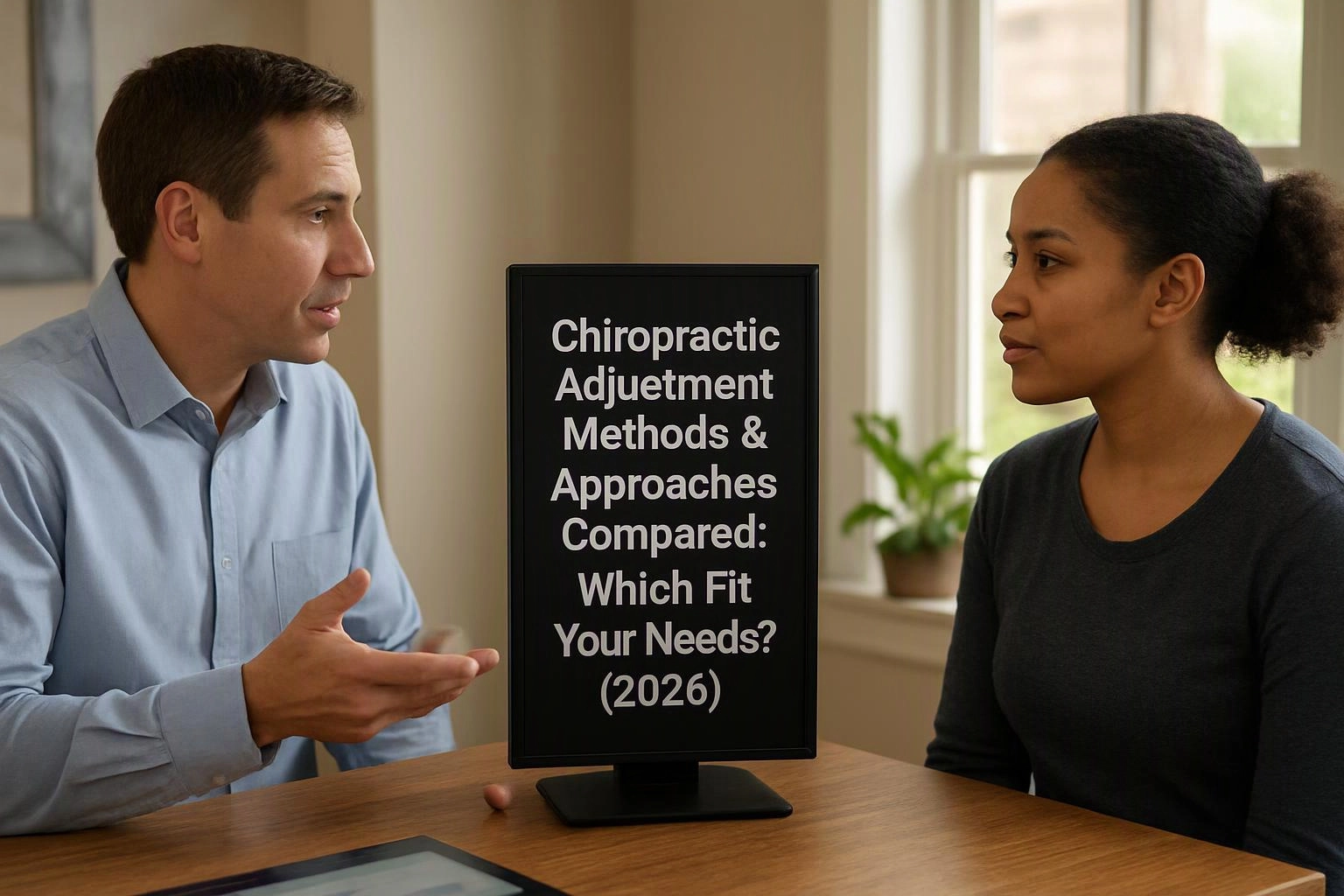
Our team uses these findings to select the technique and explain what to expect. We also discuss comfort before care begins.
What Changes the Cost of a Chiropractic Adjustment?
Chiropractic adjustment cost varies with the examination, treatment plan, areas addressed, and technique selected; we explain pricing upfront and offer .
The number of areas addressed can affect the scope of care. Examination needs, follow-up care, and the selected technique can also change the overall treatment plan.
We explain what the visit includes before care begins. Contact us for an exact quote based on your examination and planned care.
How We Help You Choose an Adjustment Approach
Arrowhead Clinic Chiropractor Decatur uses your goals, comfort preferences, and examination findings to guide the adjustment approach.
We ask what movements feel limited and what type of contact feels acceptable. Our team then matches the method to the affected area and clinical purpose.
We can explain why a manual adjustment, table-assisted method, or instrument-assisted adjustment fits the plan. You can also tell us when positioning or force feels uncomfortable.
When Should You Ask About a Different Technique?
Ask about another technique when the current approach doesn't match your comfort, movement tolerance, or treatment needs.
Tell us about any change before the next adjustment. We can review the findings and discuss a better-fitting approach.
Questions About Chiropractic Adjustment Methods
Can chiropractic adjustment methods be combined?
Yes, chiropractic adjustment methods can be combined when the examination and treatment plan support that choice. Arrowhead Clinic Chiropractor Decatur may use different approaches for different areas or changing comfort needs.
Is an instrument-assisted adjustment gentler than a manual adjustment?
An instrument-assisted adjustment can use a lower-force contact, but gentleness depends on the technique, area, and examination findings. We explain the expected force and contact before choosing the approach.
What should I tell the chiropractor before an adjustment?
Tell us about your symptoms, health history, recent injuries, medication changes, and comfort concerns. We use those details with the physical examination to guide the adjustment method.
Can my preferred adjustment method change during care?
Yes, your preferred adjustment method can change as symptoms, mobility, comfort, or health history changes. We review those changes and update the treatment plan when needed.
Arrowhead Clinic Chiropractor Decatur can review your goals, comfort preferences, and clinical findings during a consultation. Contact us to discuss the right Chiropractic Adjustment approach for your needs.
Get a Free Estimate