For Scoliosis Treatment, what symptoms may suggest scoliosis needs further evaluation?
Back pain with uneven shoulders, limited mobility, or nerve symptoms may suggest that scoliosis needs further evaluation. These signs don't identify the cause by themselves. We review your history, posture, movement, and symptom pattern before discussing care. Severe weakness, sudden numbness, or major balance changes need prompt medical attention.
How does the first visit address scoliosis concerns?
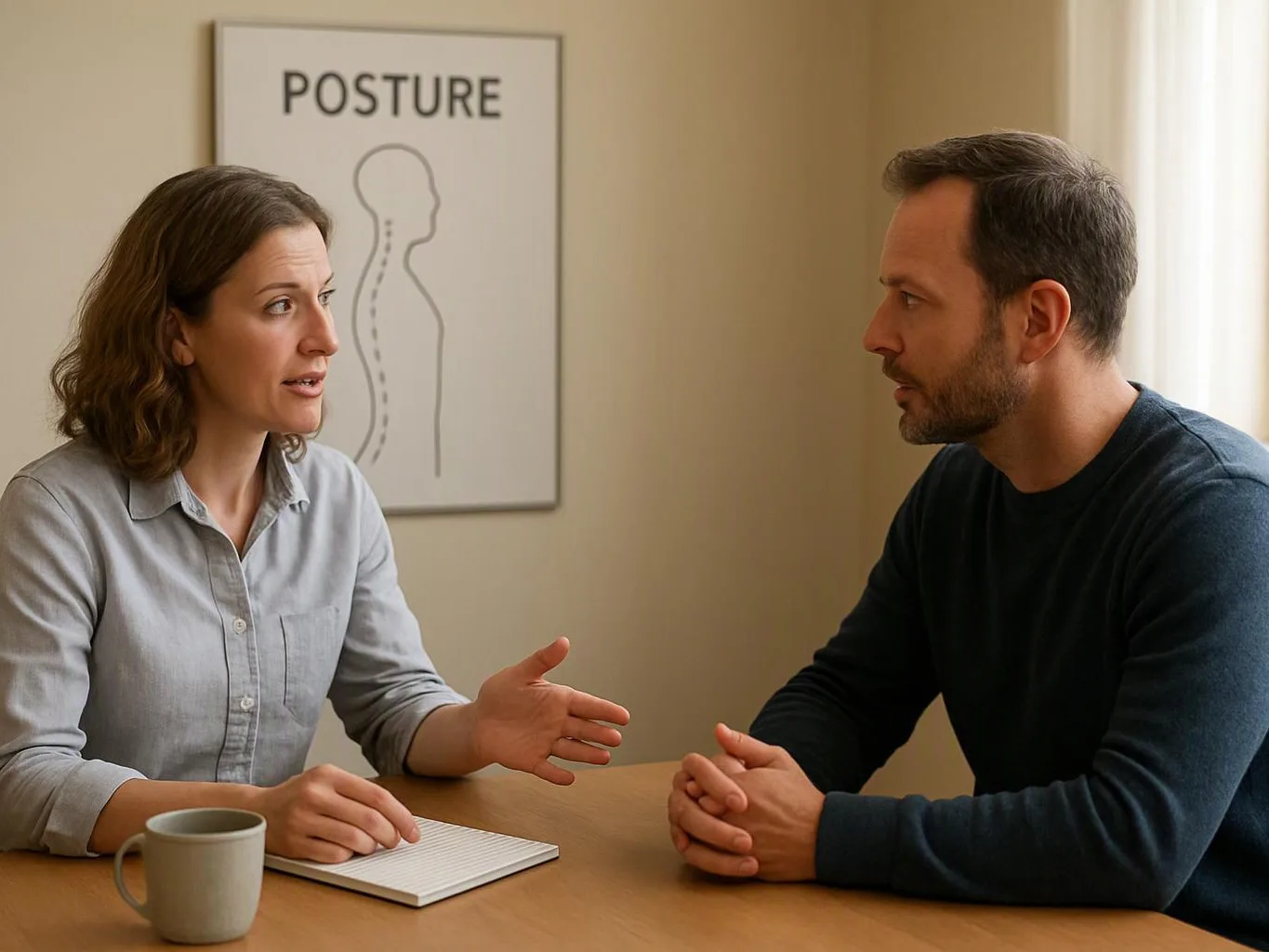
The first visit covers your health history, symptoms, movement, posture, and treatment goals. We ask about past injuries and diagnoses, then perform a focused exam. X-rays are considered when clinically indicated. Afterward, we explain the findings and discuss which care options may fit your needs.
Which details should I confirm before starting care for Scoliosis Treatment?
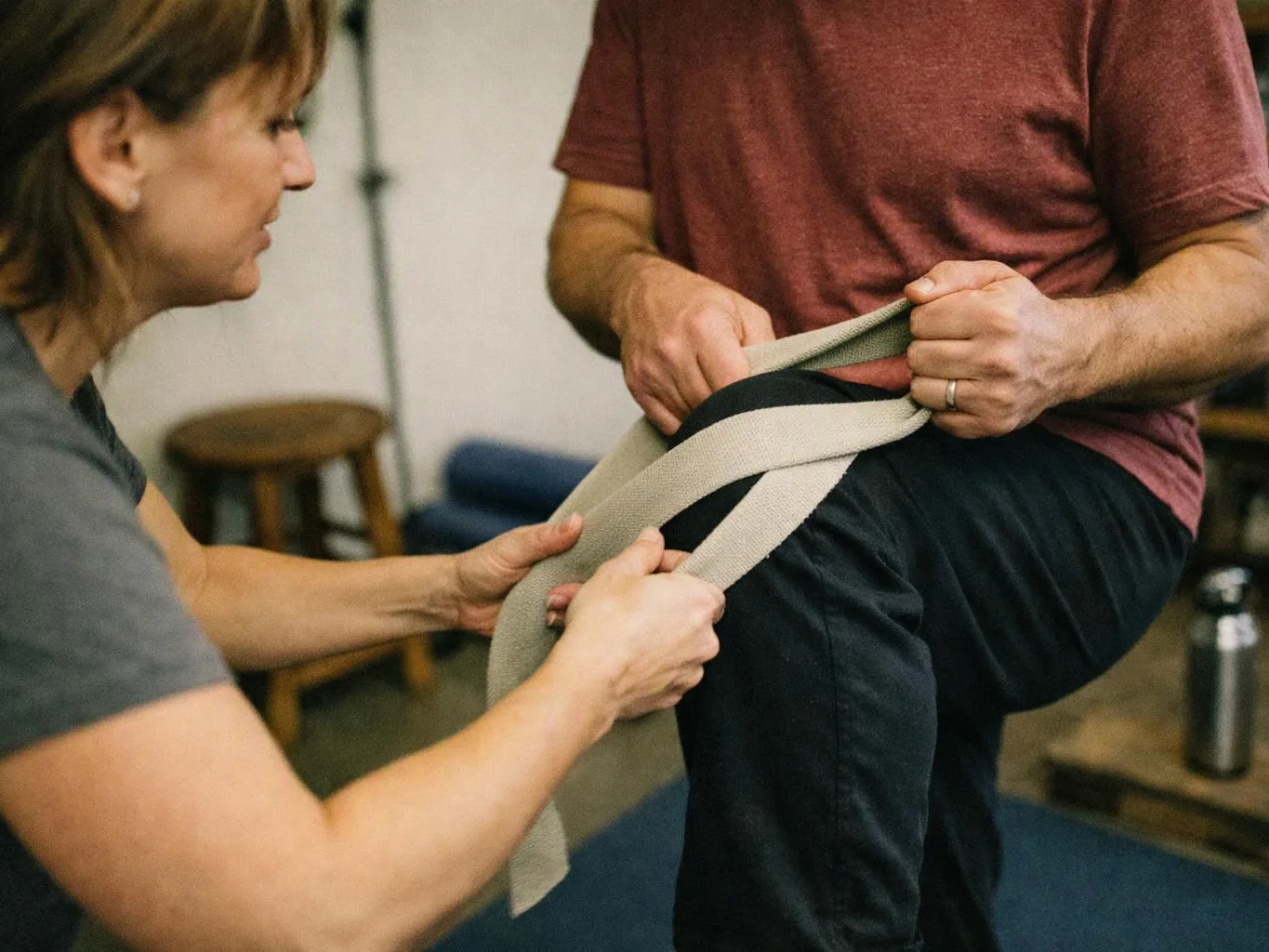
Your treatment goal, recommended method, follow-up plan, and expected cost should be clear before care starts. Ask how adjustments, corrective care, or spinal decompression relate to your findings. We explain upfront pricing during the consultation, and you can raise concerns about comfort, suitability, or other care you receive.
When should nerve symptoms receive medical attention?
Nerve symptoms need prompt medical attention when they include sudden weakness, severe loss of feeling, or major changes in balance. Mild or recurring tingling still deserves discussion during your assessment. We record the symptom pattern and help determine whether chiropractic care fits or whether another evaluation should come first.
Why might uneven shoulders matter during an assessment?
Uneven shoulders can provide a useful posture clue, but they don't confirm scoliosis by themselves. We compare shoulder position with spinal movement, health history, and related symptoms. The finding helps shape the assessment, while the full pattern guides the treatment discussion.
What should I bring before a scoliosis consultation?
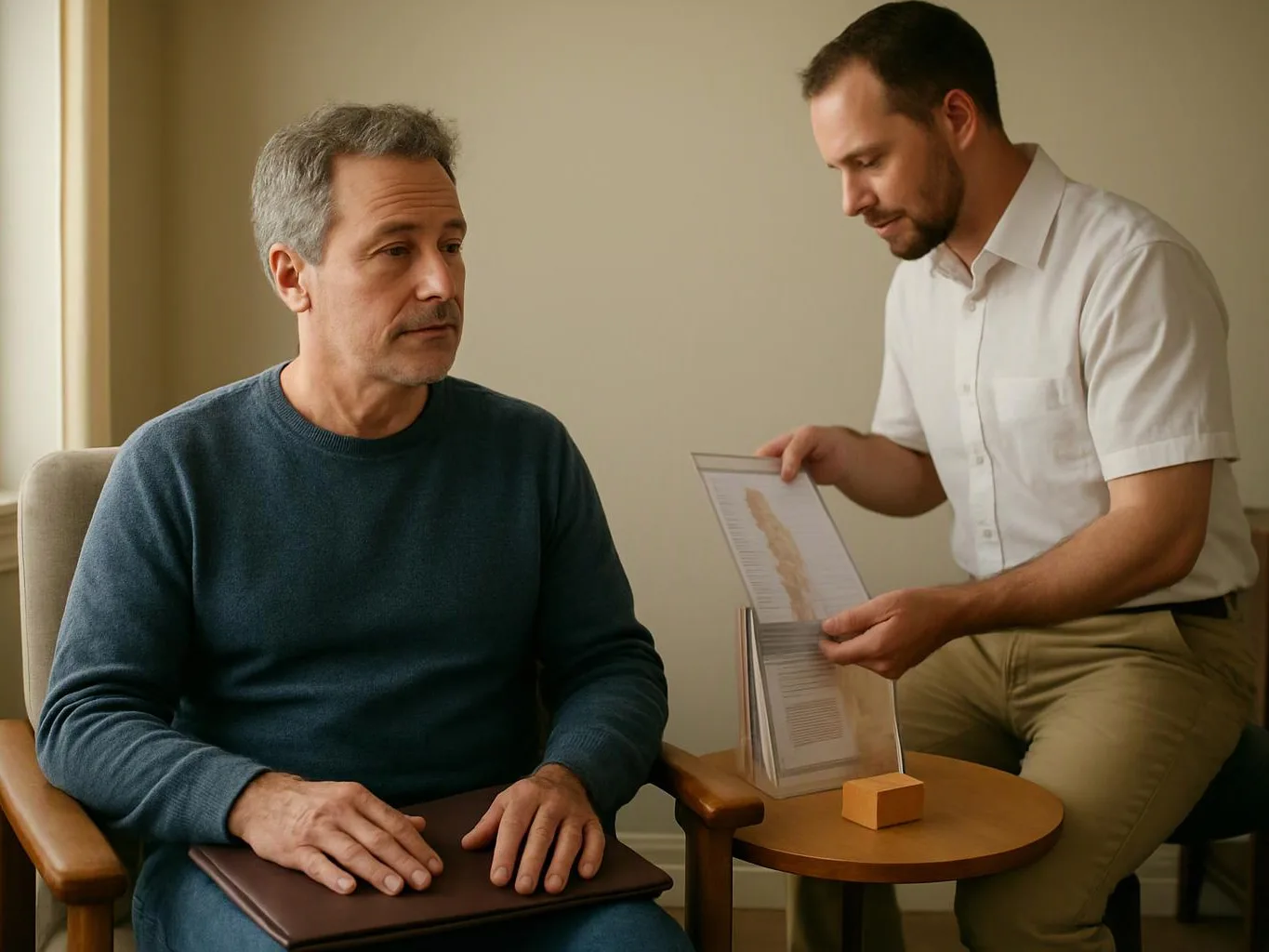
Prior imaging, treatment notes, medication details, and a short symptom history can help prepare for a scoliosis consultation. Write down when symptoms began and which movements affect them. We also need to hear about numbness, tingling, weakness, or balance changes so the assessment addresses your main concerns.
How do you decide whether spinal decompression fits?
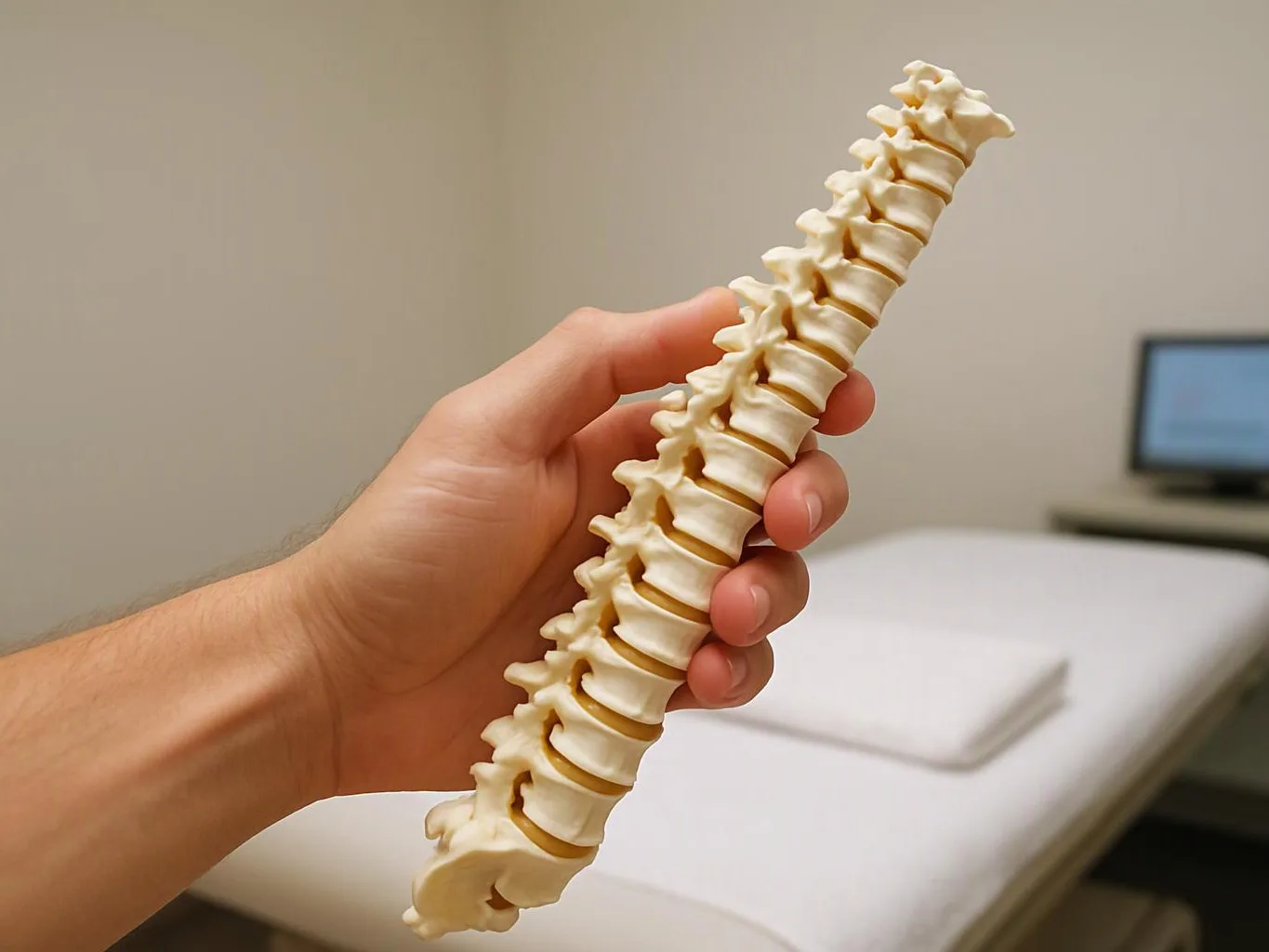
Spinal decompression fits only when your findings, symptoms, and goals support its use. We review the health history and exam before recommending it. The method may address selected spinal loading concerns, but it isn't the right choice for every patient or every cause of discomfort.