What exercises help correct forward head posture for Posture Correction?
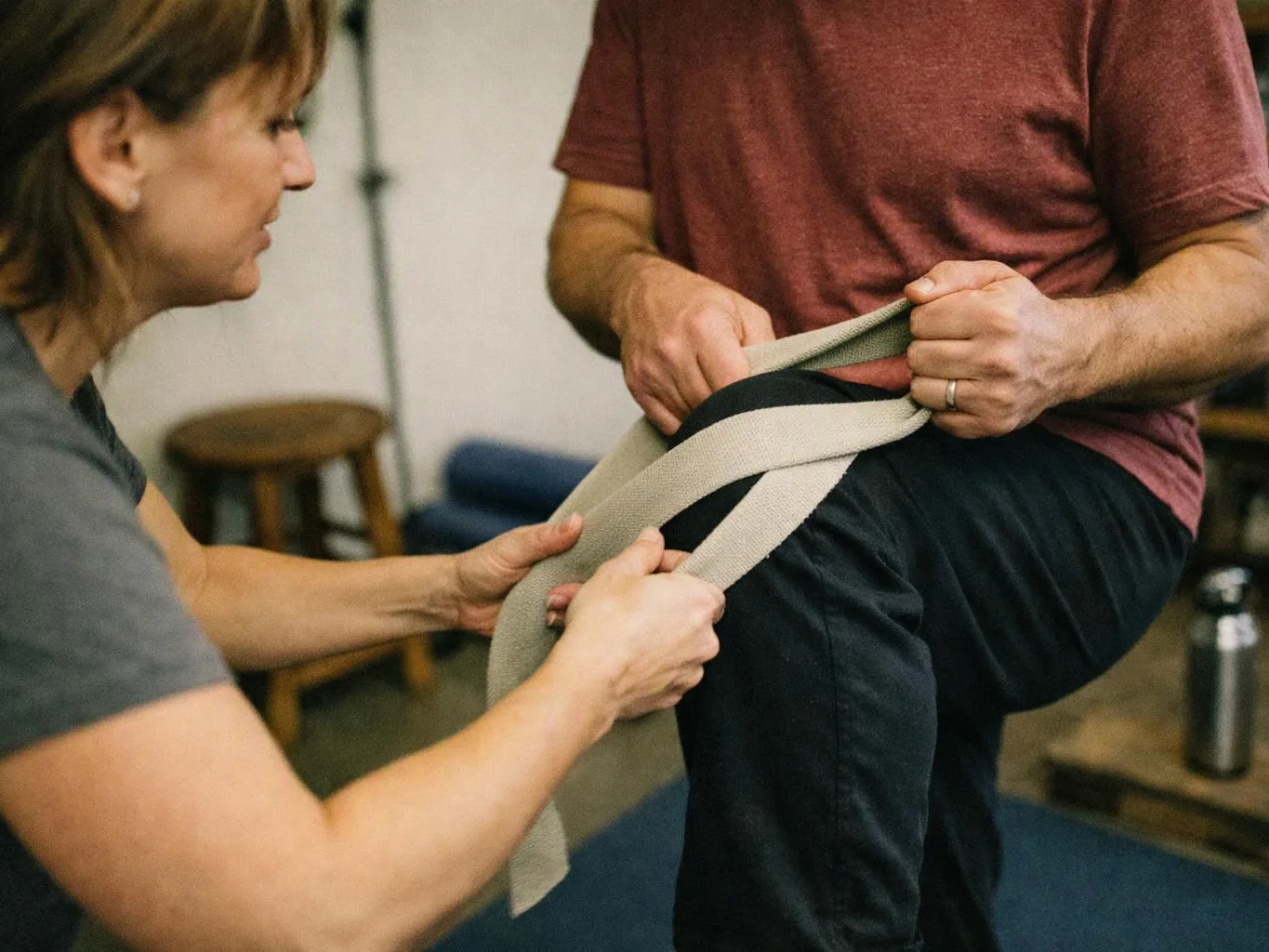
Chin tucks help train the muscles that support a more neutral head position. Neck stretches may address tight areas, while back strengthening and chest opening work support upper-body movement. Our team checks your posture and movement before recommending exercises. The right choice depends on your symptoms, control, and response to each exercise.
For Posture Correction, how does the first posture assessment work?
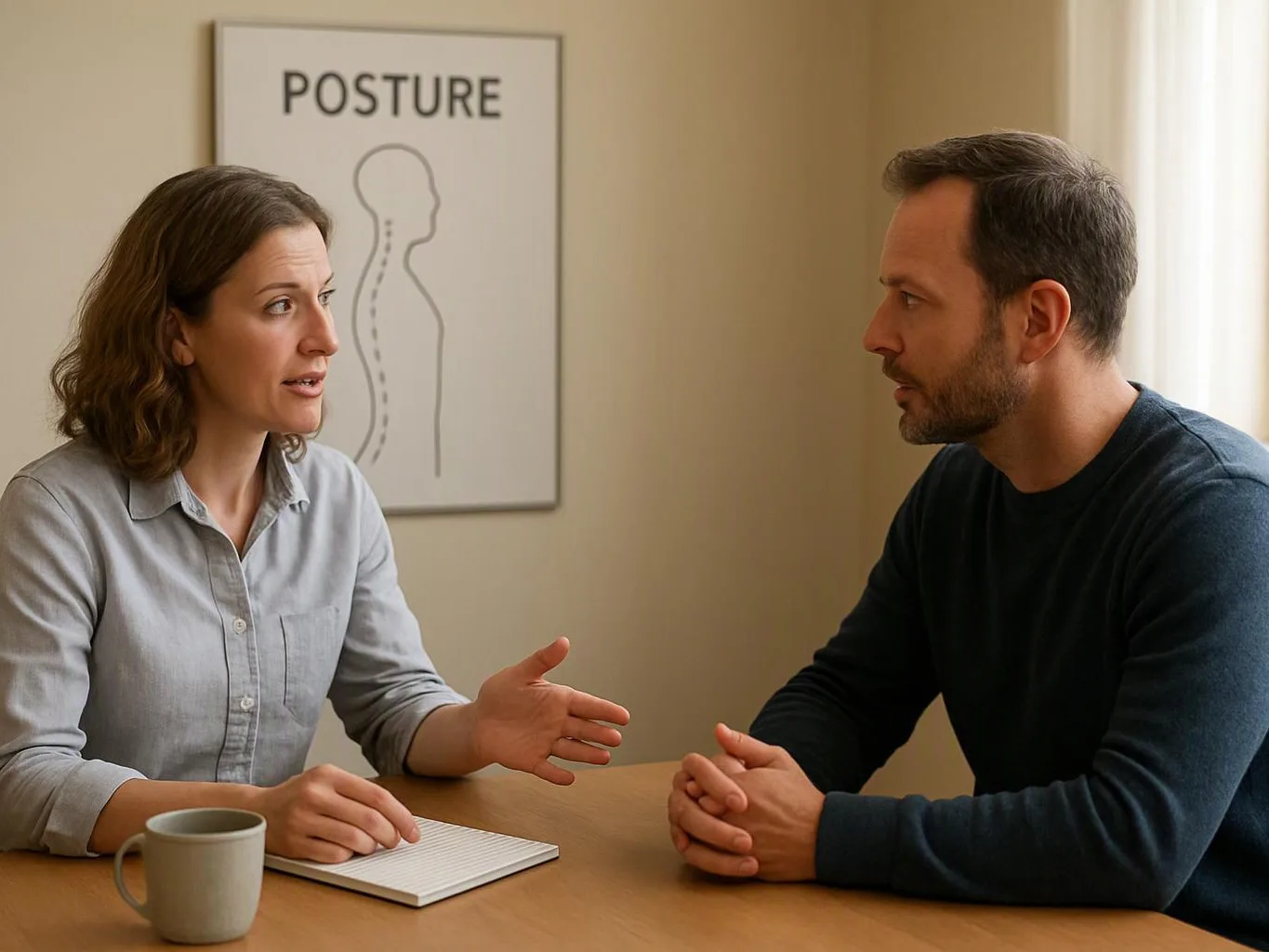
The first assessment reviews your health history, symptoms, posture, and movement. You may discuss work positions, past injuries, headaches, neck pain, or shoulder tension. Our team uses those details to explain findings and possible care options. Bring any relevant imaging or injury records you already have, if available.
Which details should I confirm before choosing a care plan?
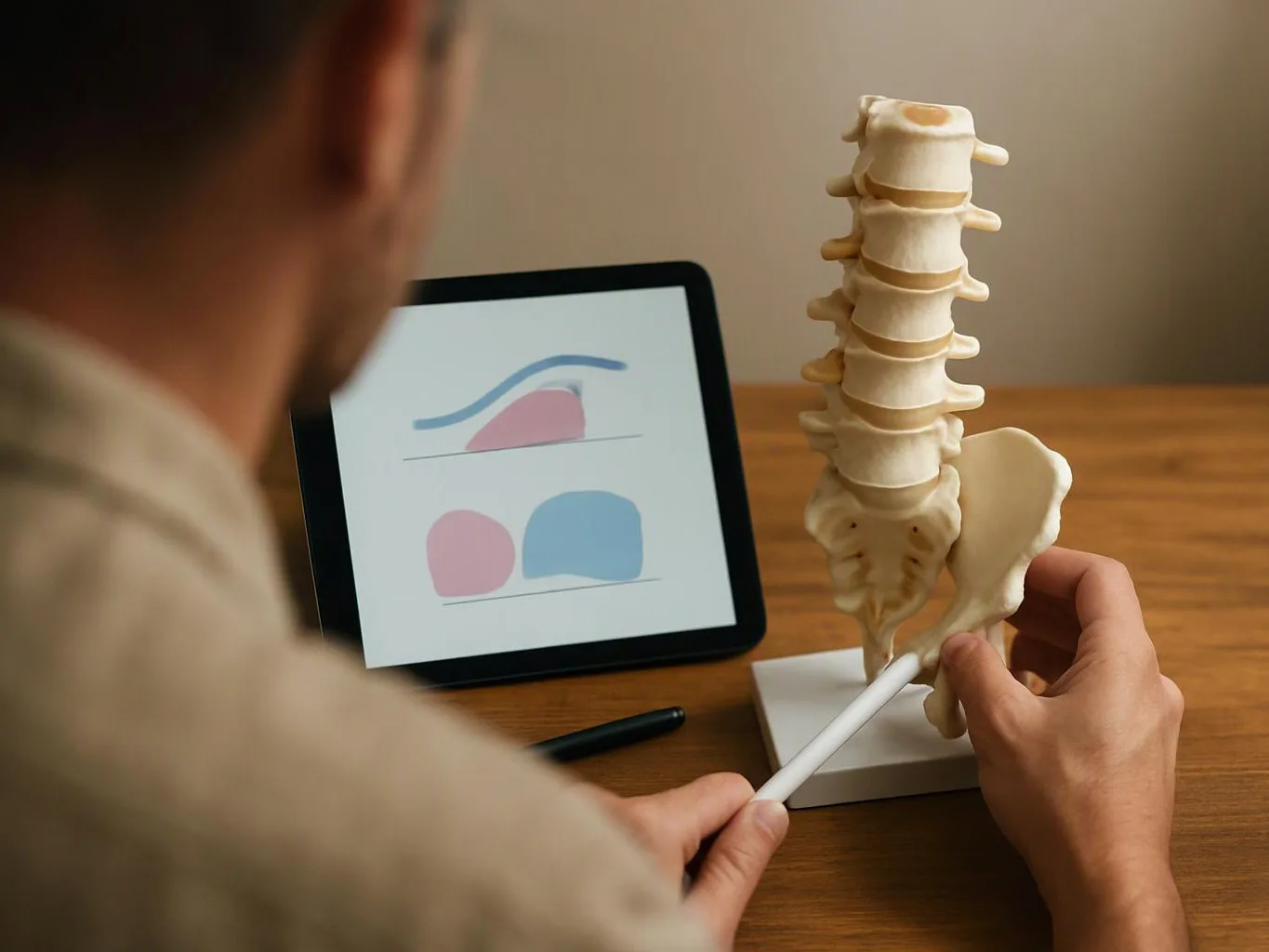
The care plan should match your symptoms, movement limits, and treatment goals. Ask which findings support each option, how progress will be reviewed, and what exercises belong at home. Our team explains adjustments, corrective care, spinal decompression, and wellness guidance in plain language before you choose a direction.
When is posture-focused chiropractic care the wrong next step?
Urgent or changing symptoms need medical evaluation before posture-focused care. Severe weakness, loss of control, major trauma, or other serious warning signs require prompt medical attention. Our team can review ordinary posture concerns, neck pain, headaches, and movement limits, but an assessment does not replace emergency medical care.
Why might posture problems keep returning after exercise?
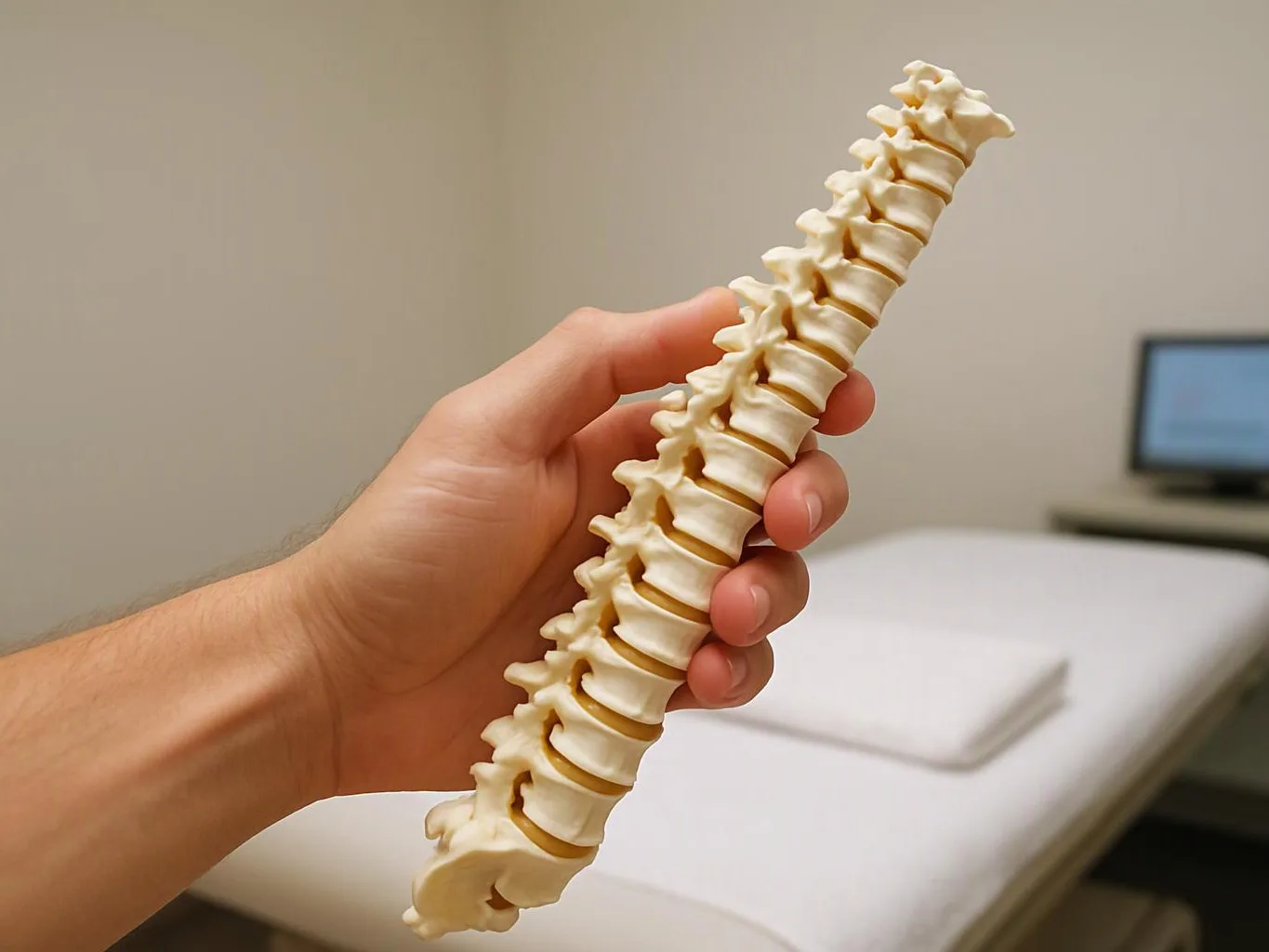
Posture problems may return when muscle control, joint movement, daily positions, or exercise technique remain unaddressed. A new assessment can show whether the routine fits your movement pattern. Our team may adjust the plan, add corrective care, or discuss regular maintenance when that approach suits your goals.
What changes the cost of posture care for this job?
The main cost factors are the assessment, the care methods selected, and related concerns that need attention. A plan involving adjustments, spinal decompression, or injury evaluation may differ from exercise guidance alone. Our team explains the expected care before treatment, and free consultations are available.