A Checklist for Symptoms After a Work-Related Injury
A work injury symptoms assessment checklist helps you record what happened, track pain and movement changes, note warning signs, and share clear details with Arrowhead Clinic Chiropractor Decatur.
Request an Estimate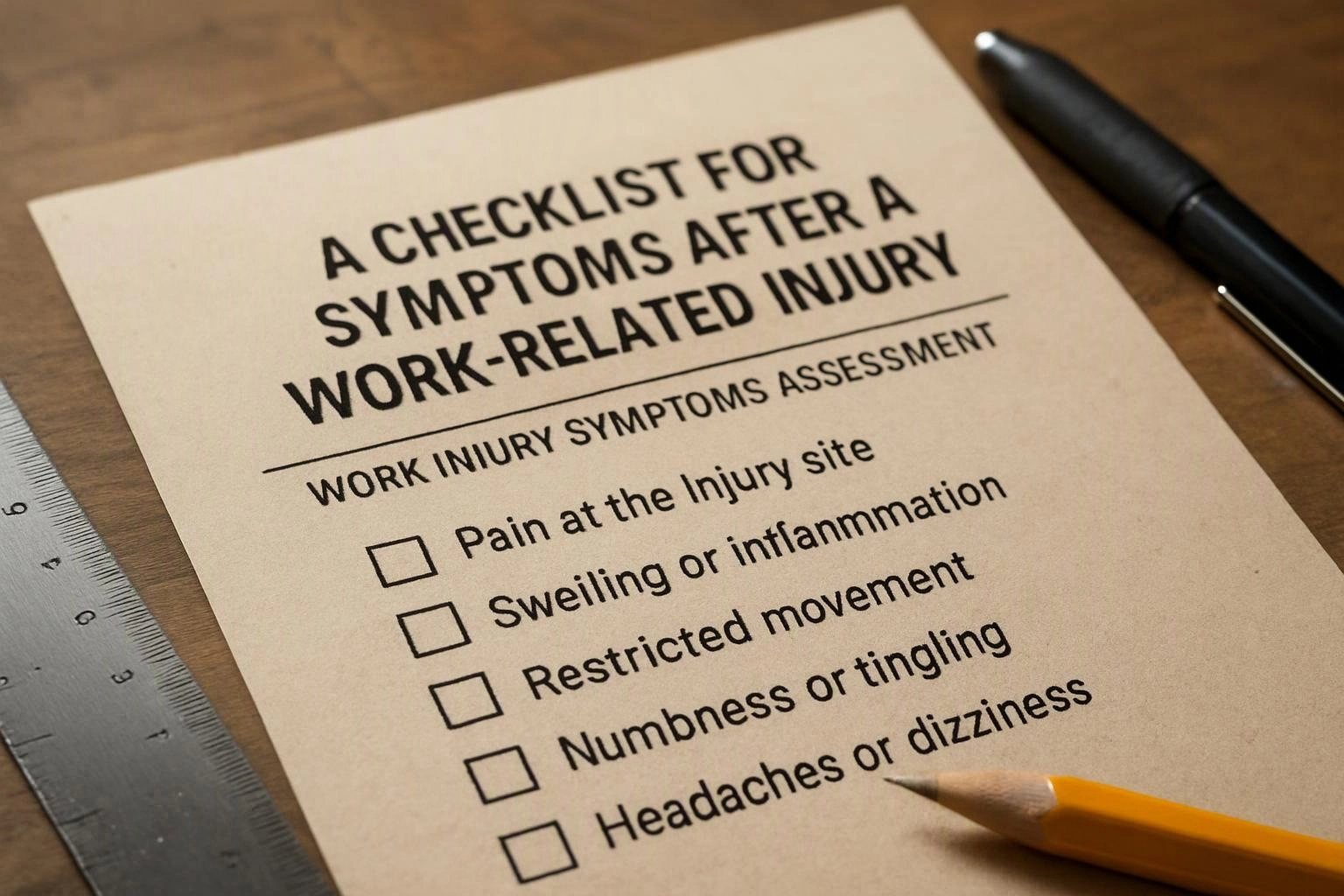
How This Work Injury Checklist Helps
Work injury symptom assessment organizes the event, symptoms, changes, and care details that help guide an evaluation.
A work-related injury can affect muscles, joints, nerves, or several areas at once. We use your injury history to understand how symptoms began and how they affect daily activities.
A clear record supports a focused chiropractic evaluation. It also helps us connect the injury mechanism with pain, limited movement, and work duties.
Before You Report Your Symptoms
Before reporting symptoms, write down the injury event and the first changes you noticed. These details give our team a clearer starting point for your clinical evaluation.
Use the checklist below while the event and symptom onset are still easy to recall.
What Details Should You Record After a Work Injury?
Record where symptoms started, how they feel, what worsens them, and how they affect movement or daily tasks.
Start with the pain location and pain intensity you notice. Then describe the pain quality, such as aching, sharp, burning, or pressure.
Note swelling, bruising, numbness, tingling, weakness, and limited range of motion. Include radiating pain or changes that travel into an arm or leg.
Back pain, neck pain, and shoulder injury symptoms can change with lifting, reaching, sitting, walking, or turning. Write down which actions increase symptoms and which activities you can no longer complete normally.
During Your Symptom Review
During a symptom review, describe the timeline, pain patterns, movement limits, and relevant care history. Our team uses these details to assess possible muscle strain, joint injury, or nerve symptoms.
Bring your notes and describe changes in plain language. Specific examples help us understand how the injury affects work duties and daily activities.
When Should a Work Injury Be Evaluated Urgently?
A work injury needs urgent medical evaluation when symptoms suggest serious harm, rapid worsening, or loss of normal function.
Seek urgent help for warning signs that affect breathing, sensation, strength, or alertness. Our chiropractic team can help assess musculoskeletal concerns, but urgent symptoms need prompt medical attention.
After the Injury: Track Changes and Share Updates
After an injury, continue recording symptom changes and activity limits. A running record helps our team compare your condition across visits and plan appropriate follow-up.
Use the checklist after work, during rest, and before follow-up care. Include changes that seem small if they affect movement, sleep, or work.
These notes can also support communication about return to work. Share any change that affects your ability to perform normal duties.
How Arrowhead Clinic Chiropractor Decatur Assesses Work Injury Symptoms
Arrowhead Clinic Chiropractor Decatur reviews the injury history, symptom pattern, movement, and affected body areas to shape appropriate work injury care.
We begin with your medical history and injury timeline. We ask how symptoms started, what changes them, and how they affect work and daily life.
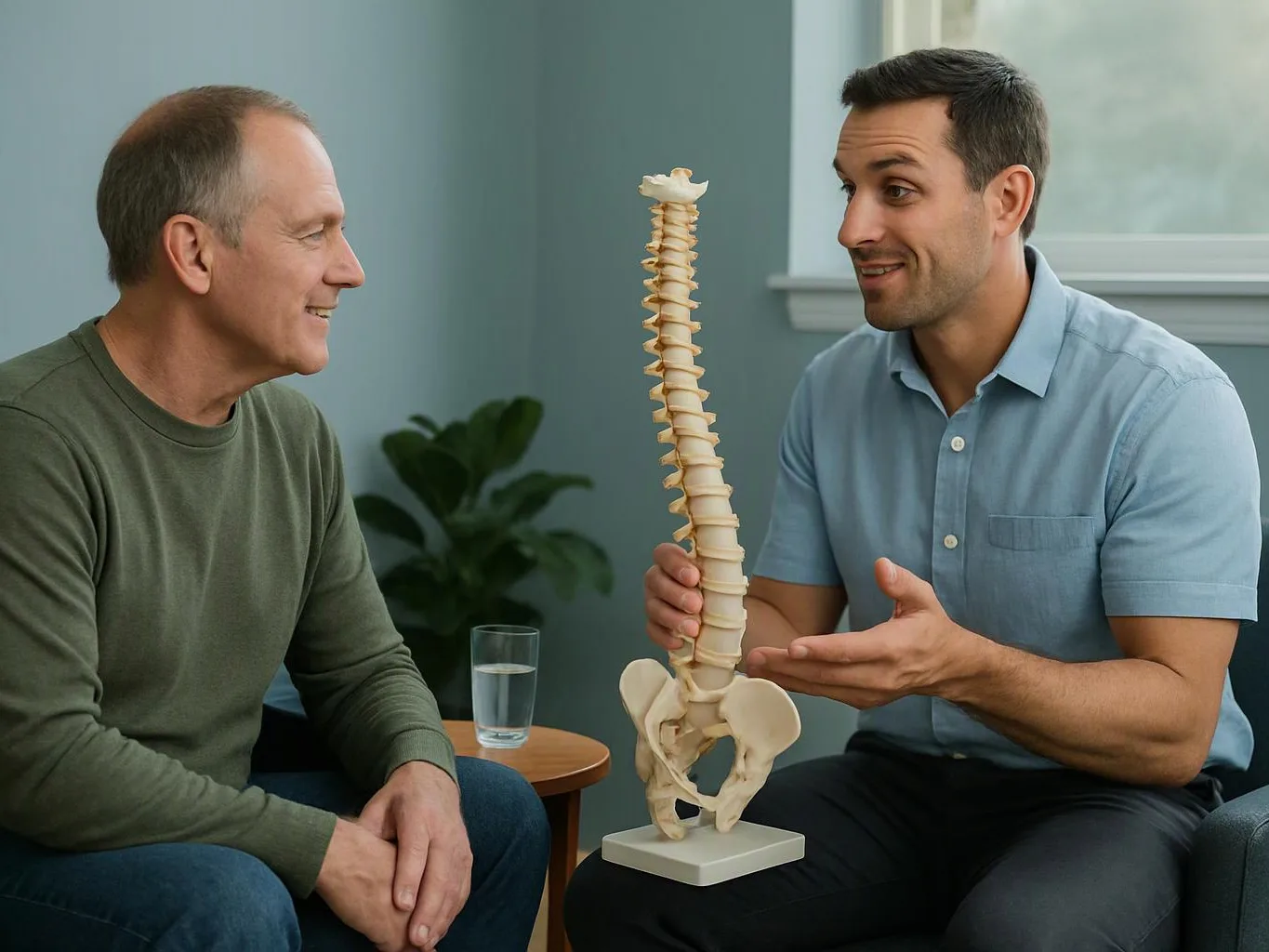
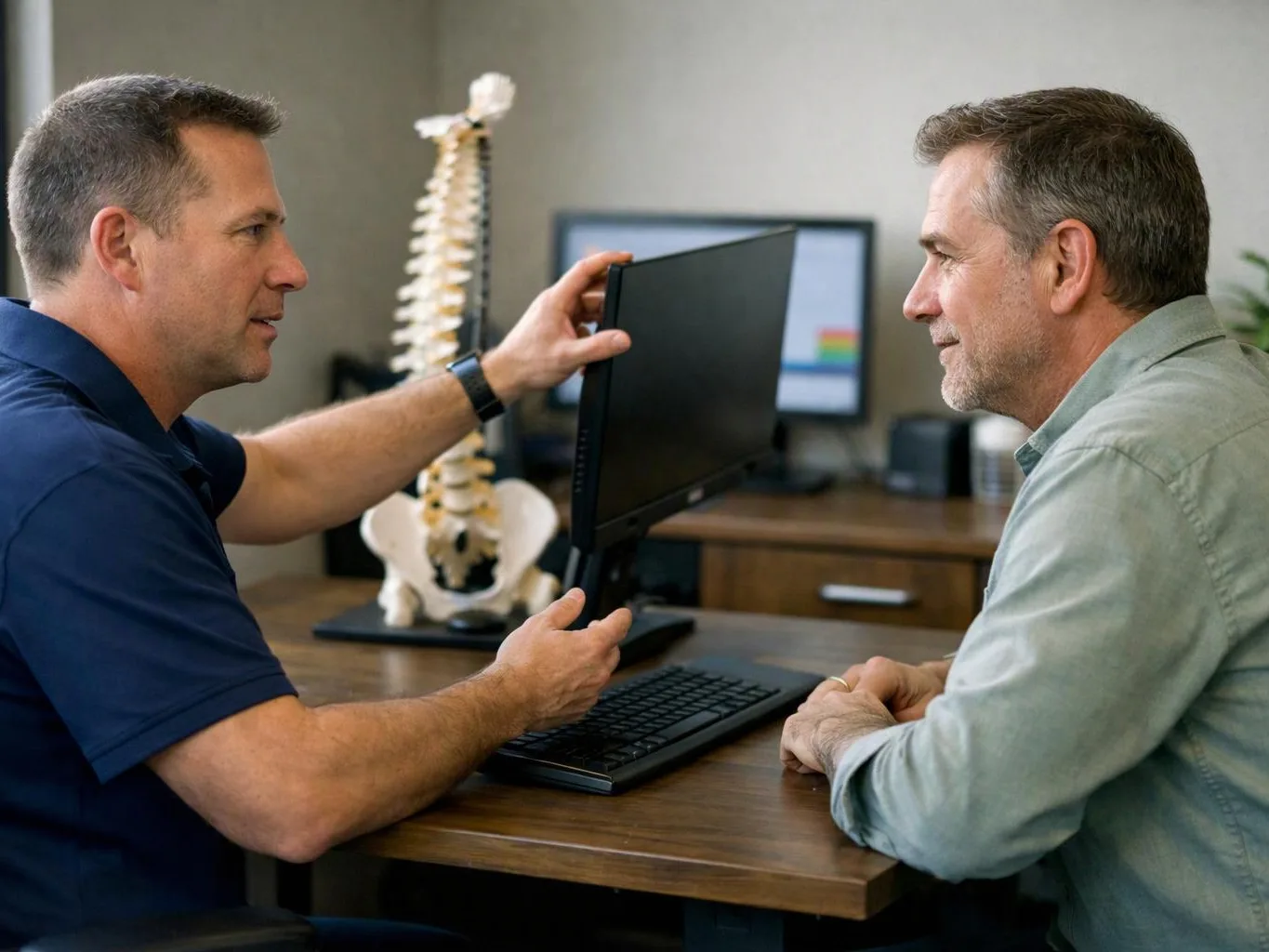
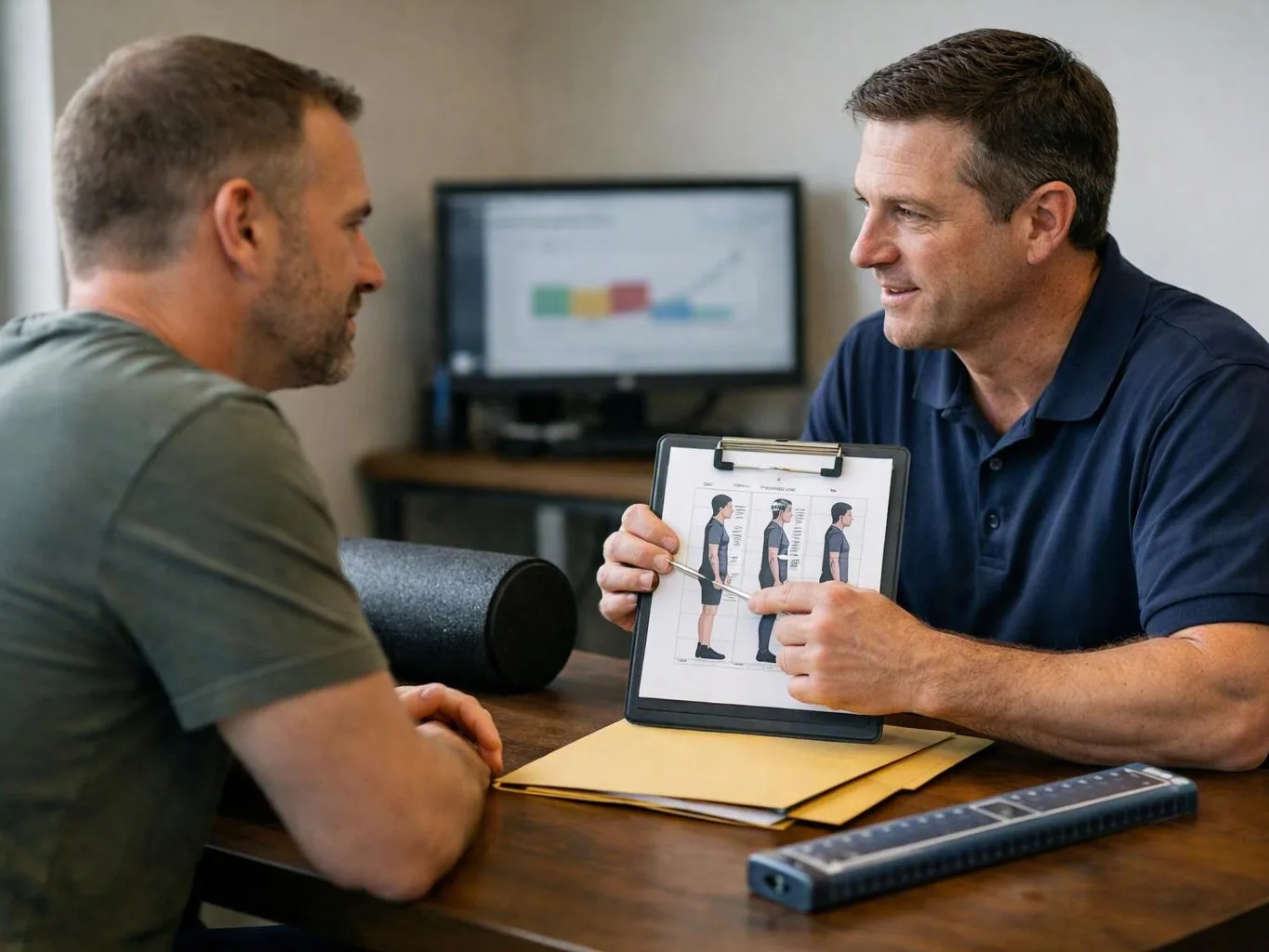
Our chiropractic assessment considers posture, movement, tenderness, and the musculoskeletal system. We look at how the spine, muscles, joints, and related tissues work together.
We use these findings to guide work injury treatment that fits your symptoms and functional limits. You can learn more about our Work Injury Treatment approach.
Bring your checklist to the visit and update it when symptoms change. Clear notes help us focus the assessment and explain the next care steps.
Questions About Work Injury Symptoms
Can work injury symptoms appear hours or days after the accident?
Yes, work injury symptoms can appear later, so Arrowhead Clinic Chiropractor Decatur records both the event and the time symptoms began. Share any delayed pain, stiffness, swelling, numbness, or limited movement during your assessment.
What should I tell a chiropractor about pain that started at work?
Tell the chiropractor where pain began, what work activity caused it, and how the pain has changed. Include pain intensity, pain pattern, movement limits, numbness, tingling, weakness, prior injury, and any care or medication.
Should I keep working if movement makes my injury symptoms worse?
No, worsening symptoms during work should be reported and assessed before you continue the activity. Record the task, movement, and symptom change, then seek guidance about safe work restrictions and follow-up care.
Talk With Our Team About Your Work Injury
Arrowhead Clinic Chiropractor Decatur can review your symptom notes and discuss the next step for your injury assessment. Bring your injury timeline, care records, and questions to your visit.
Contact our team to arrange a work injury symptom review.