
What Is Functional Scoliosis?
Functional Scoliosis is a temporary spinal curve caused by factors outside the spine, such as uneven leg position, muscle imbalance, or poor posture. The curve may change when the person shifts position or the underlying cause is addressed. Unlike structural scoliosis, the spinal bones usually keep their normal shape.
Quick Facts About Functional Scoliosis
Category
Nonstructural spinal curve
Used for
Posture and movement assessment
Common confusion
Structural scoliosis
Also called
Nonstructural scoliosis
Often discussed with
Scoliosis Treatment, Posture Correction
Key Takeaways About Functional Scoliosis
- The curve may change with posture or movement.
- The cause often involves muscles, joints, or leg position.
- Functional scoliosis isn't the same as structural scoliosis.
How Functional Scoliosis Works
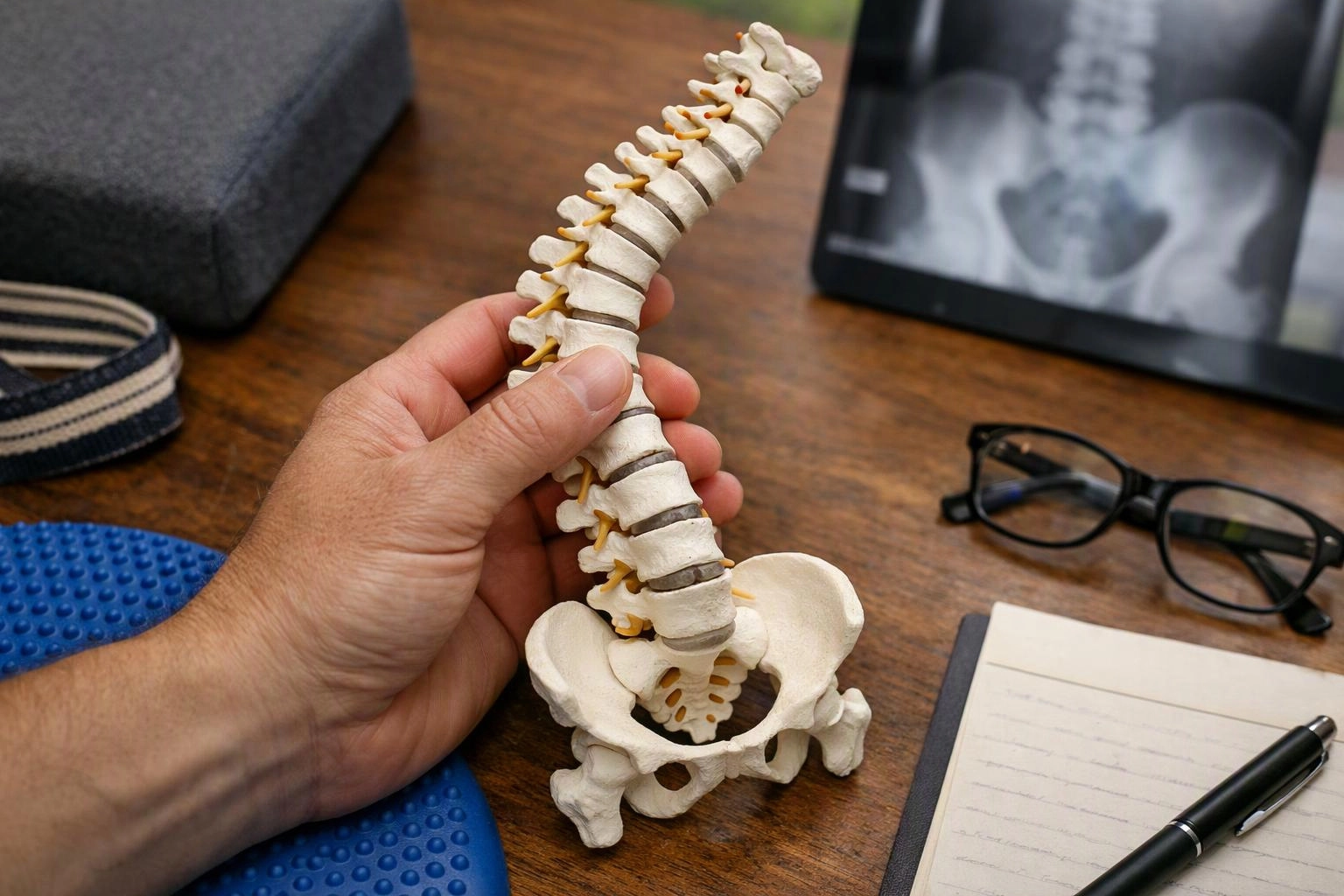
Functional scoliosis develops when the body shifts the spine to adapt to another problem. Muscle tightness, joint limits, uneven leg position, or poor posture can change how the spine lines up. The curve may look different when you sit, stand, or move.
Related glossary terms: Cobb Angle, Gait Analysis, Joint Mobility.
A clinician checks posture, spinal motion, muscle balance, and leg position during an exam. These findings help show whether the curve changes with movement. Structural scoliosis involves changes in the spine itself, so its curve usually stays more consistent across positions.
For example, a person with one tight hip may lean to one side while standing. Improving hip movement and posture may reduce that lean, but the right approach depends on the exam findings.
From the Arrowhead Clinic Chiropractor Decatur team
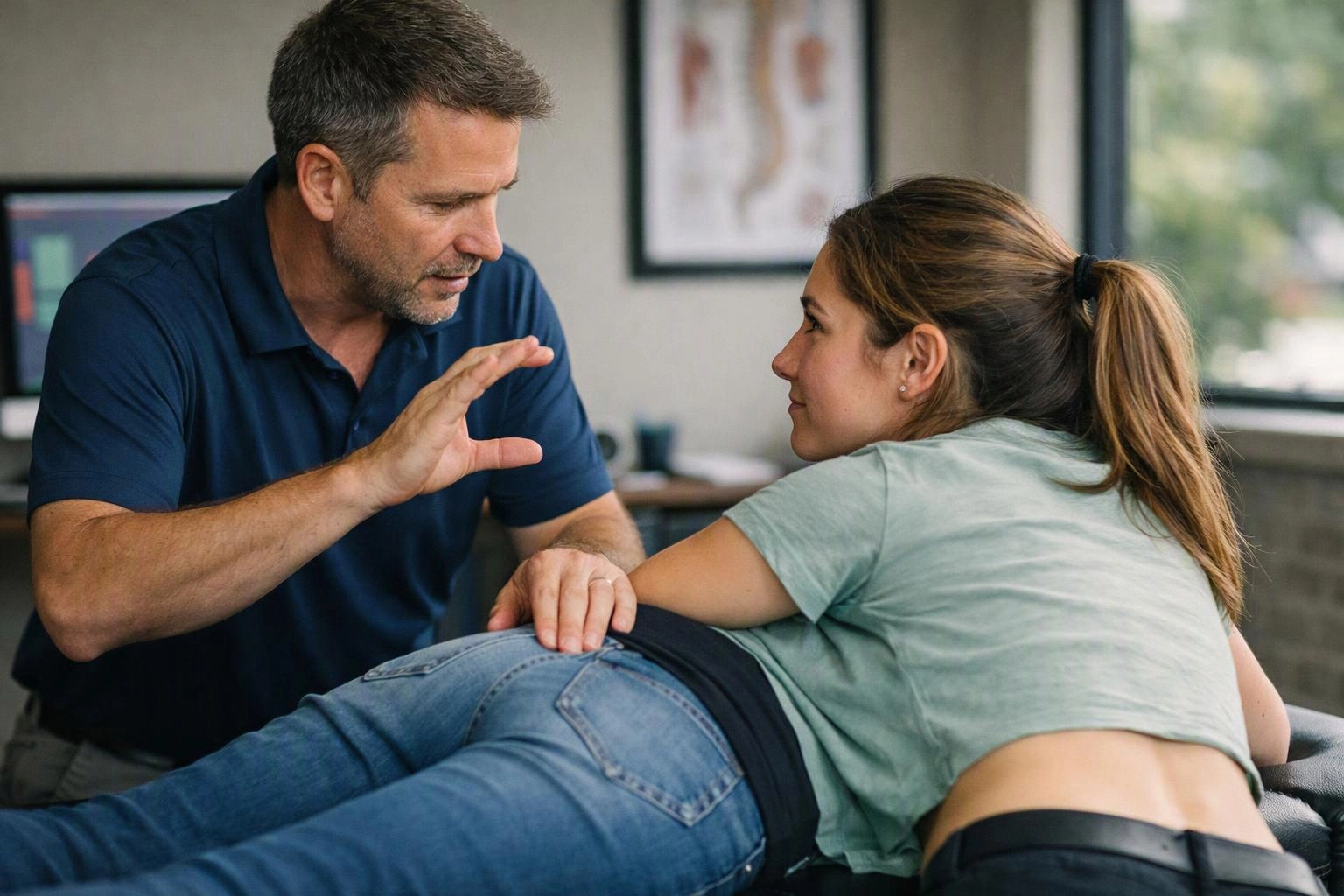
When we assess Functional Scoliosis, we watch how posture and spinal movement change the curve. We also check muscle balance, joint motion, and leg position. Our team uses these findings to guide care within Scoliosis Treatment, while keeping the focus on the factor affecting the person’s alignment.
Functional Scoliosis in Practice: A Real-World Example
A person in Decatur may lean to one side after developing tightness in one hip. During Scoliosis Treatment, the care team checks whether the spinal curve changes with posture and movement.
Related Services
Related Terms
Cobb Angle
A Cobb Angle is a measurement used to describe the sideways curve of the spine. Clinicians…
Gait Analysis
Gait Analysis is a structured review of how you walk or run. It examines foot placement…
Joint Mobility
Joint Mobility is the amount and quality of movement available at a joint. It depends on…
Range Of Motion
Range Of Motion is the amount and direction a joint can move through its available path…
Arrowhead Clinic Chiropractor Decatur
Have Questions About Functional Scoliosis?
Contact Arrowhead Clinic Chiropractor Decatur for practical guidance on Functional Scoliosis and related chiropractor work in Decatur.